

Witch Hazel
This plant ships:
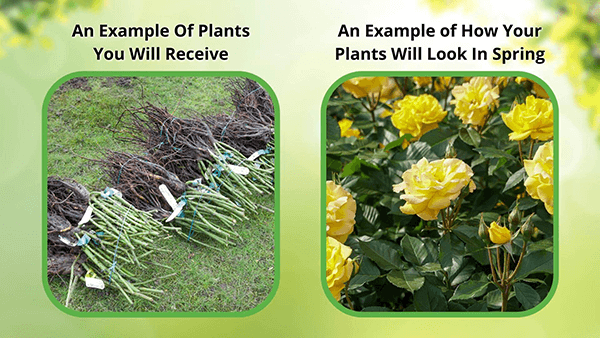
November 2025We sell bare root plants - click here to see what you'll receive
Overview
Witch hazel brings something rare to the landscape: a native flowering shrub that thrives across an unusually wide range, from chilly zone 3 gardens all the way down to zone 9. Its clusters of yellow blooms give it a wild, almost feathery texture that stands out from more predictable shrubs, and its adaptability makes it a smart pick whether you're filling out a foundation planting or anchoring a mixed border.
More About This Plant
Why Gardeners Plant Witch Hazel
Bloom Season & Appearance
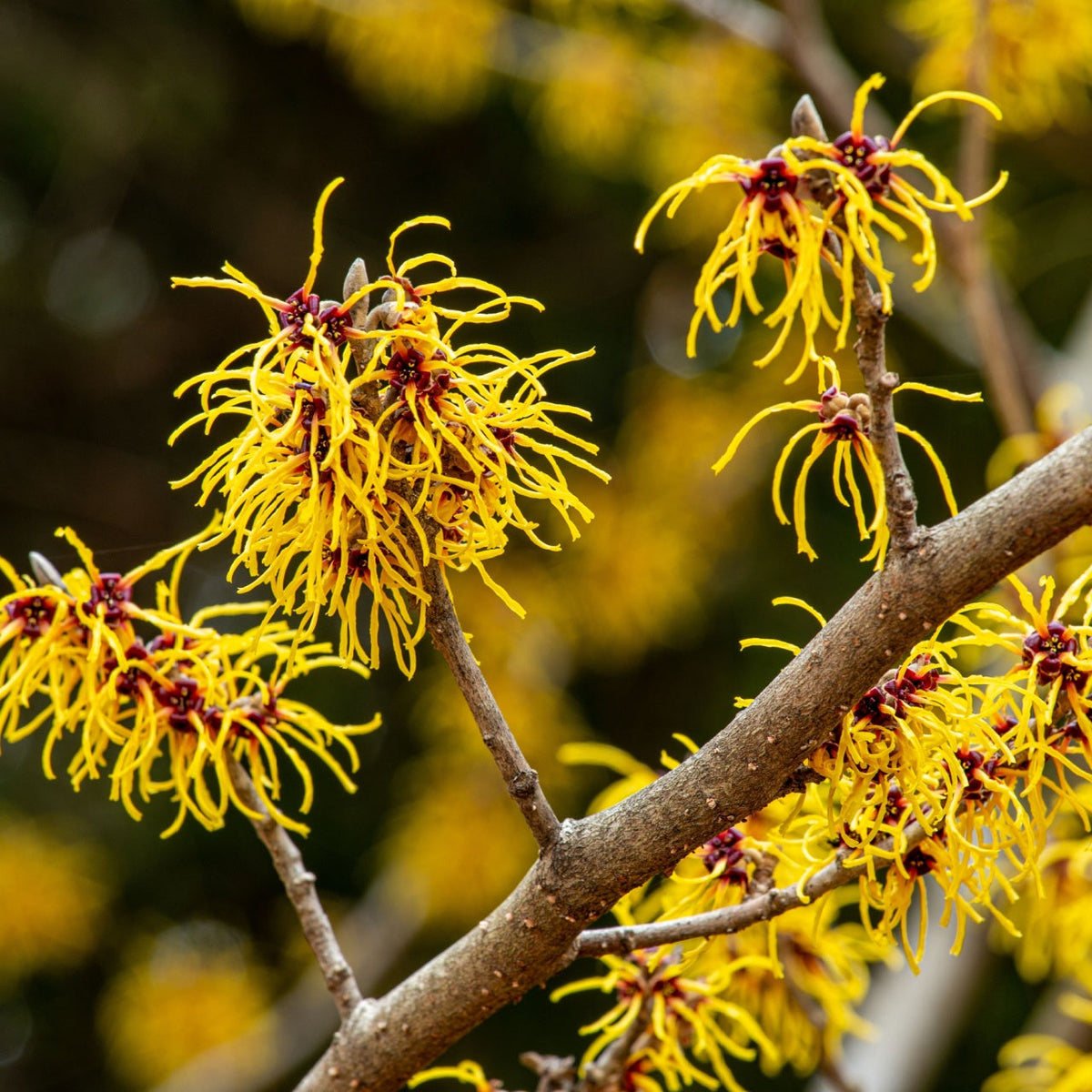
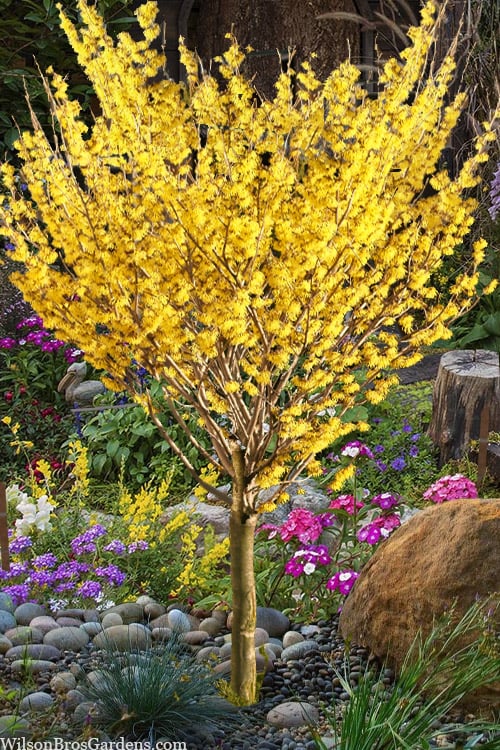
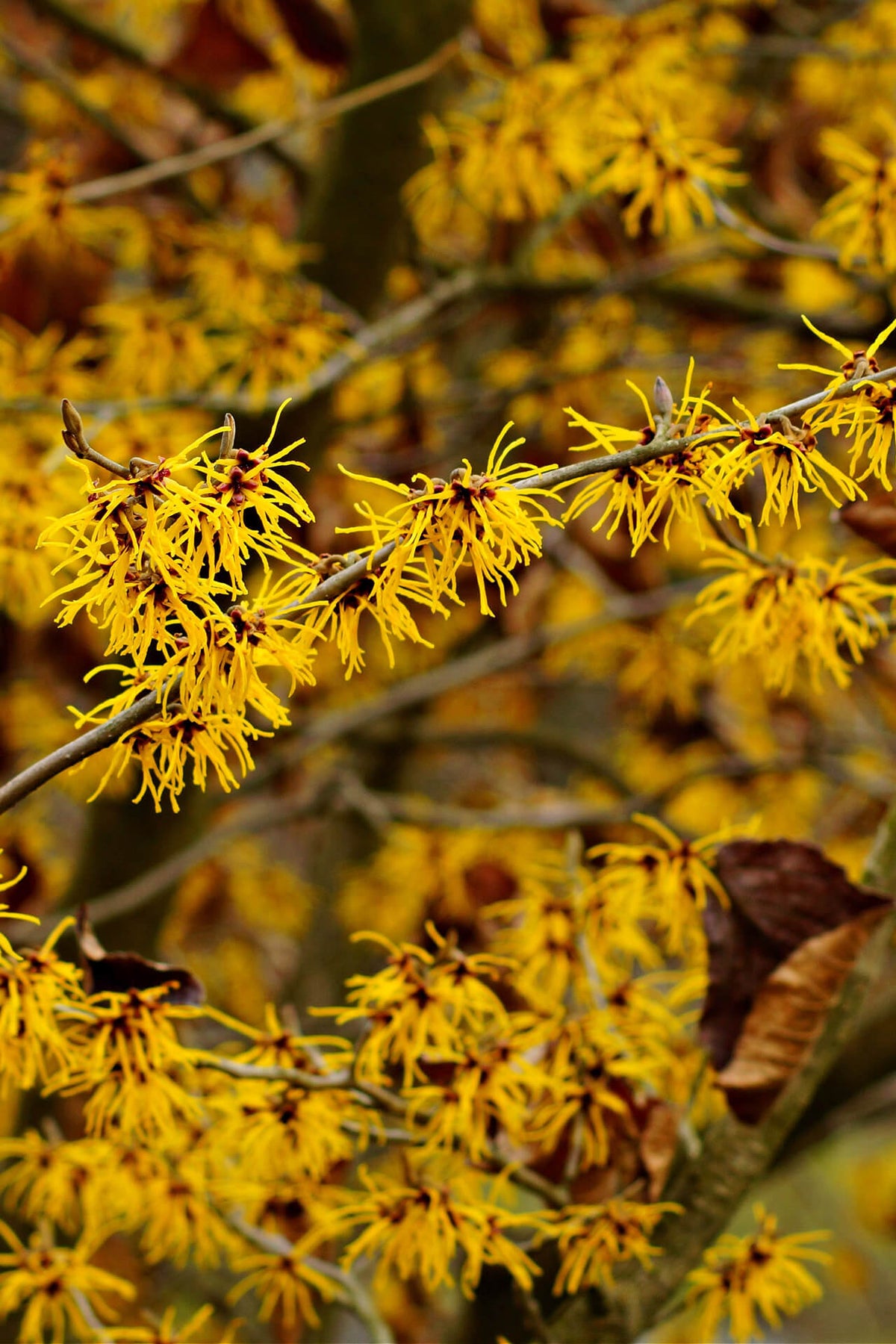
Witch hazel earns its keep as both a landscaping staple and a flower garden favorite. The yellow blooms have a loose, ribbon-like shape that catches light differently than typical rounded flowers, giving beds and borders a bit of movement and contrast. Because it performs well as a specimen shrub or grouped with others, it's a flexible choice for gardeners who want structure without sacrificing color. If you're still mapping out how different plants can work together in a single space, our guide on 7 different ways to use plants when making a garden covers approaches that pair well with a shrub like this one.
Planting Zone & Climate
Its hardiness range is one of the more practical reasons growers reach for witch hazel. Suitable for zones 3 through 9, it tolerates a broader swing in winter temperatures than many ornamental shrubs on the market, which means gardeners from colder northern climates to warmer southern ones can work it into their planting plans without worrying whether it will survive the season.
Landscape Uses
Using Witch Hazel in the Landscape
Bloom Season & Appearance (cont.)
Detail 1
Because witch hazel is suited to both landscaping and dedicated flower gardens, it works in more roles than a single-purpose shrub. Use it as a backdrop for lower-growing perennials, tuck it along a property line for informal screening, or let it stand alone where its yellow flowers can be appreciated up close. Gardeners building out native or naturalistic plantings often find it complements other native selections nicely, and it's worth pairing with ideas for crafting a graceful landscape with native plants if you're leaning toward a more regionally rooted design.
Detail 2
Witch hazel also fits comfortably into gardens designed around seasonal interest, offering something different in the bloom department compared to typical spring-and-summer flowering shrubs. If you're curating a collection of dependable, well-loved plants for your yard, it's worth browsing our best-selling plants to see how witch hazel stacks up alongside other proven performers.
Detail 3
Plant it where you can see it from a window or a well-used path — the yellow blooms reward a bit of proximity, and once established, this shrub asks for very little in return for the character it brings to a landscape or flower garden.