

White Oak Seedlings
This plant ships:
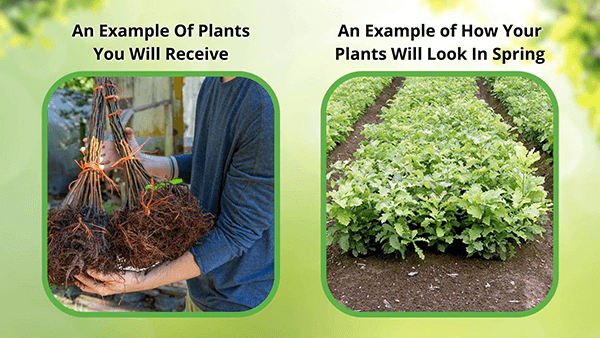
November 2025We sell bare root plants - click here to see what you'll receive
Overview
A Native Icon for the Long Haul
Bloom Season & Appearance
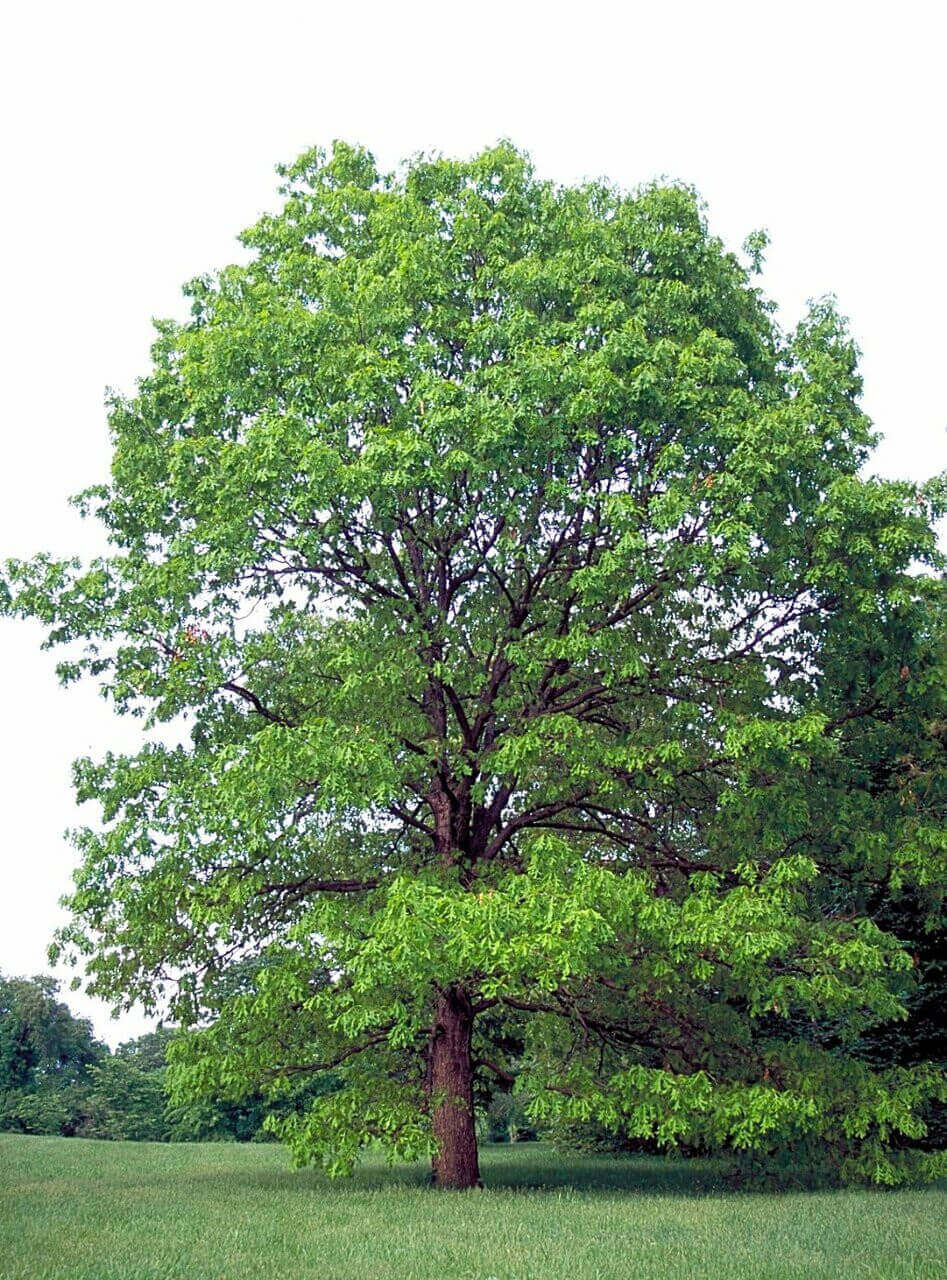
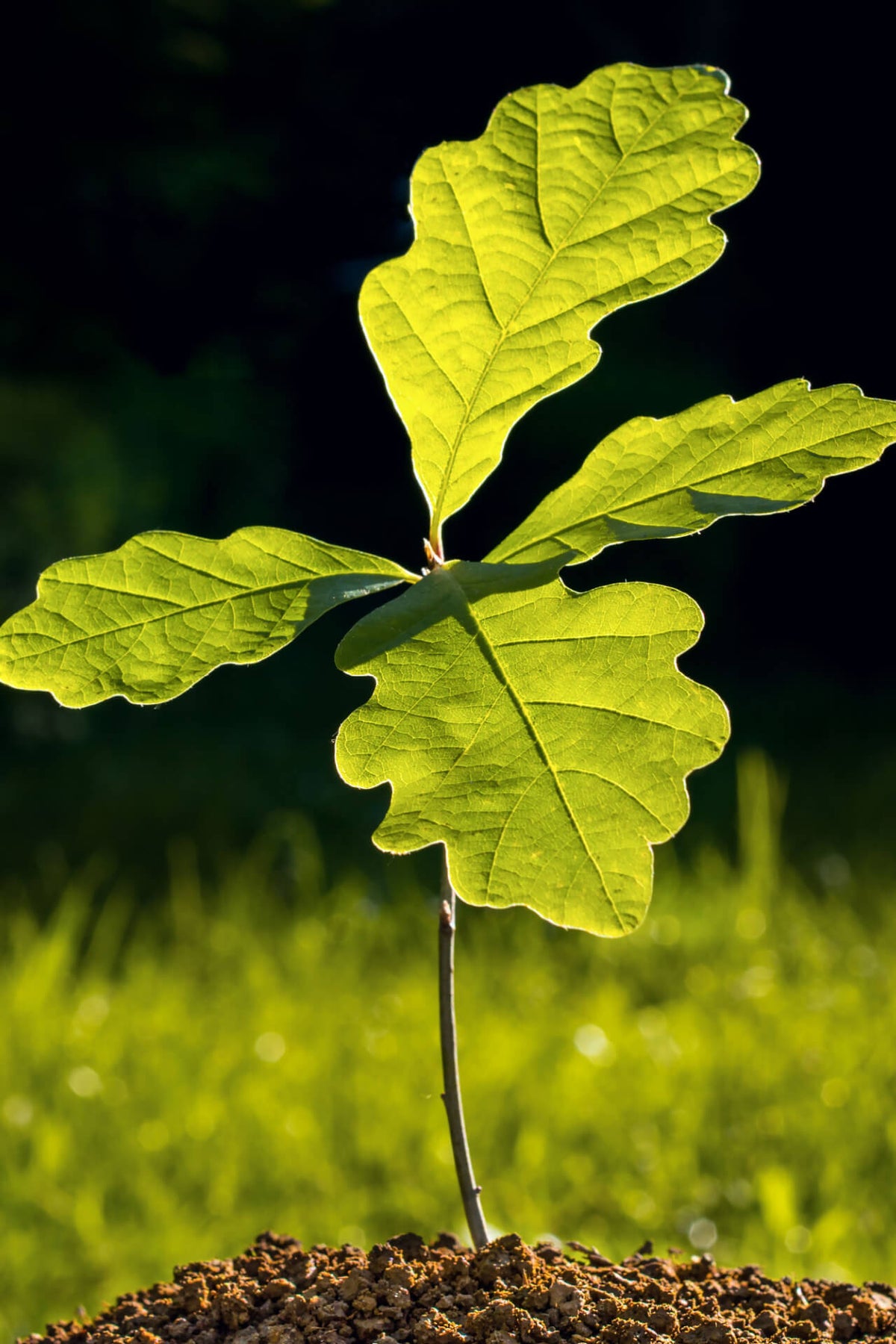
White oak (Quercus alba) isn't a tree you plant for next summer's shade—it's one you plant for your grandchildren's. Few native trees carry the weight and history of the white oak, prized for centuries as a source of timber, tannins, and acorns that feed everything from deer to wild turkeys. These seedlings give you the chance to start that legacy on your own property, whether you've got a few acres to reforest or a single spot in the yard that needs a slow-growing anchor tree. The blooms are unassuming green catkins in spring, easy to miss if you're not looking, but they're a sign the tree is doing exactly what it should: photosynthesizing hard and building the deep taproot system that will eventually let it shrug off drought and storms alike.
More About This Plant
Where White Oak Thrives
Care & Growing Tips
This species is built for a wide swath of the country, doing well in zones 3 through 9. That range covers everything from the cold winters of the upper Midwest to the humid summers of the Gulf states, which is part of why white oak has historically been such a dominant tree across eastern and central North America. As a landscaping choice, it works best where it has room to spread—expect a broad, rounded canopy at maturity, so this isn't a tree for a tight foundation planting or a spot under power lines. Give it well-drained soil and full sun, and let it do its thing over the coming decades. Patience is really the only requirement here, since white oaks are famously slow growers in their first years, putting energy into roots before they put it into height.
Wildlife & Pollinator Benefits
For gardeners thinking about long-term structure and native landscaping goals, white oak pairs well with the kind of layered approach discussed in our post on crafting a graceful landscape with native plants . It's also a genuinely strong choice if you're trying to bring more birds into the yard—white oak acorns are a reliable food source for jays, woodpeckers, and a long list of other species, a topic we get into in Attract Birds to your garden with native plants.
Additional Details
Planting and Care Notes
Care & Growing Tips (cont.)
As with most oak seedlings‚ get them planted ASAP․ They are bare-root and young seedlings do not like sitting around‚ and the sooner those roots make contact with real soil‚ the better your establishment rate will be․ Dig a hole at least as deep as and twice as wide as the root ball and keep the seedling well watered during the first one to two years․ Do not fertilize oaks‚ which tend to establish best at a natural pace in native soils․ Mulch around the bottom of the tree to retain moisture and keep competing weeds down‚ but keep the mulch away from the base of the trunk․
Planting Zone & Climate
If you're building out a broader planting plan and want other long-term trees to pair with your white oak, our full tree seedlings collection has options across a range of zones and mature sizes. And if you're new to starting trees from the seedling stage rather than buying something already established, it's worth a read through the beauty of seedlings before you plant—it covers what to expect in those first few seasons, when very little seems to be happening above ground while everything important is happening below it.