


White Dogwood Seedlings
This plant ships:
November 2025We sell bare root plants - click here to see what you'll receive
Overview
A Classic Native Tree, Grown from Seed
Planting Zone & Climate
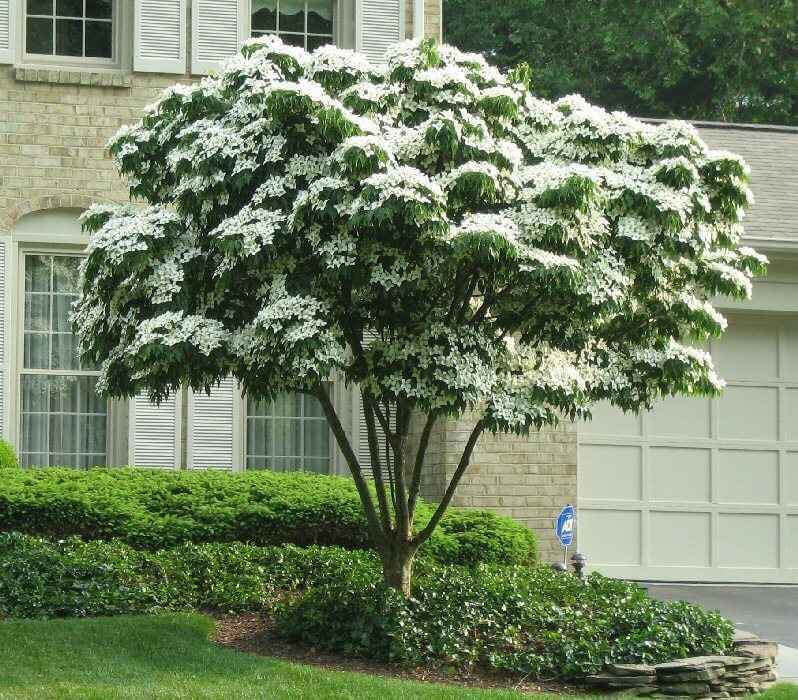
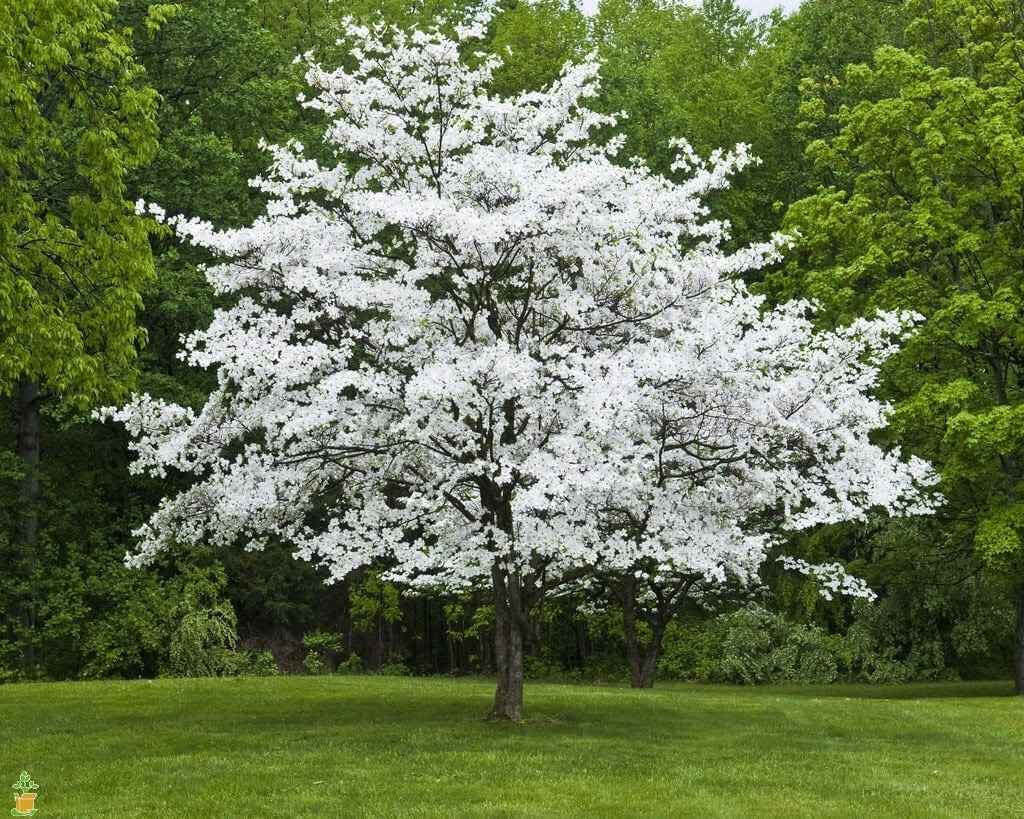
White Dogwood seedlings bring one of the most recognizable native flowering trees in North America to your yard, prized for the layered horizontal branching and the show of pure white blooms that appear each spring before the leaves fully unfurl. Because these are seedlings rather than grafted specimens, each tree grows on its own root system, which tends to produce a sturdier, longer-lived tree that adapts well to the spot you plant it in. They're happy across zones 5 through 9, making them a workable choice for gardeners from the mid-Atlantic down through the Gulf Coast.
Care & Growing Tips
White Dogwood does best as an understory tree, which is exactly why it earns a spot in our tree seedlings collection alongside other young natives built for naturalized plantings. Give it dappled or partial shade, and it will reward you with better bloom coverage and a longer flowering window than a tree stuck in full, unrelenting sun. This makes it a natural fit for the edge of a wooded lot, beneath taller shade trees, or tucked into a spot that gets morning light and afternoon relief.
More About This Plant
Where It Fits in the Garden
Bloom Season & Appearance
Use White Dogwood as a focal point in flower gardens, where its white blossoms provide a bright, clean backdrop for spring bulbs, perennials, and early-season annuals planted at its base. It also thrives as a true shade garden tree, offering seasonal interest well beyond bloom time. The white flowers give way to green summer foliage, then the leaves shift into deep red and burgundy tones come fall, followed by small red berries that persist into winter and draw songbirds looking for a late-season food source. If you're planning a garden meant to support local wildlife, this berry production pairs well with the ideas covered in Attract Birds To Your Garden With Native Plants .
Care & Growing Tips (cont.)
Because dogwoods have a moderate, unhurried growth habit, seedlings give you the chance to shape the tree's structure early and watch it mature into the character it's known for — broad, tiered branches that eventually form a wide, rounded canopy. Starting from a seedling rather than a larger nursery tree also tends to mean less transplant shock and a root system better suited to the exact soil and drainage conditions of your yard.
Additional Details
Planting and Care Basics
Care & Growing Tips (cont.)
Choose a site with moist, well-drained soil on the acidic side, and avoid low spots where water pools after heavy rain, since dogwoods are sensitive to root rot in soggy ground. Partial shade is ideal, particularly in the warmer end of its range (zones 8 and 9), where afternoon sun can stress the foliage. In cooler zones, a bit more sun exposure is generally tolerated without issue. Mulching around the base helps retain moisture and keeps the shallow root system protected from temperature swings and mower damage — a small step that makes a real difference for a young tree still establishing itself.
Bloom Season & Appearance (cont.)
If you're new to starting trees from seedlings, our post on The Beauty Of Seedlings is a helpful primer on what to expect in the first couple of growing seasons. And if you like the idea of a dogwood but want to explore color options down the line, our Pink Cherokee Princess Dogwood post covers a flowering counterpart worth comparing.