

Virginia Bluebell
This plant ships:
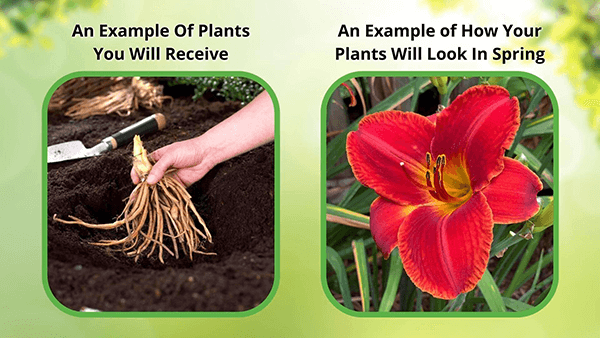
7-10 DaysWe sell bare root plants - click here to see what you'll receive
Overview
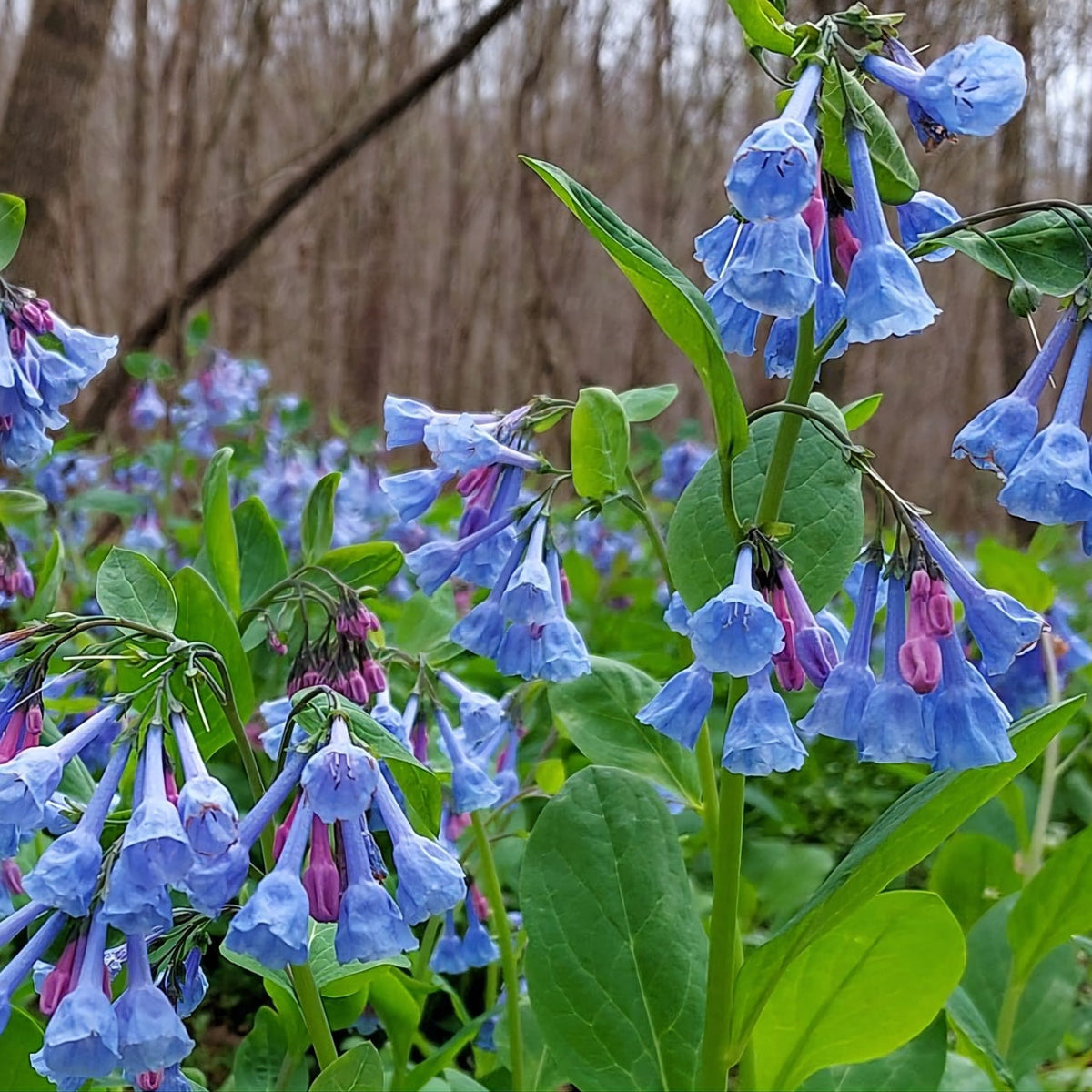
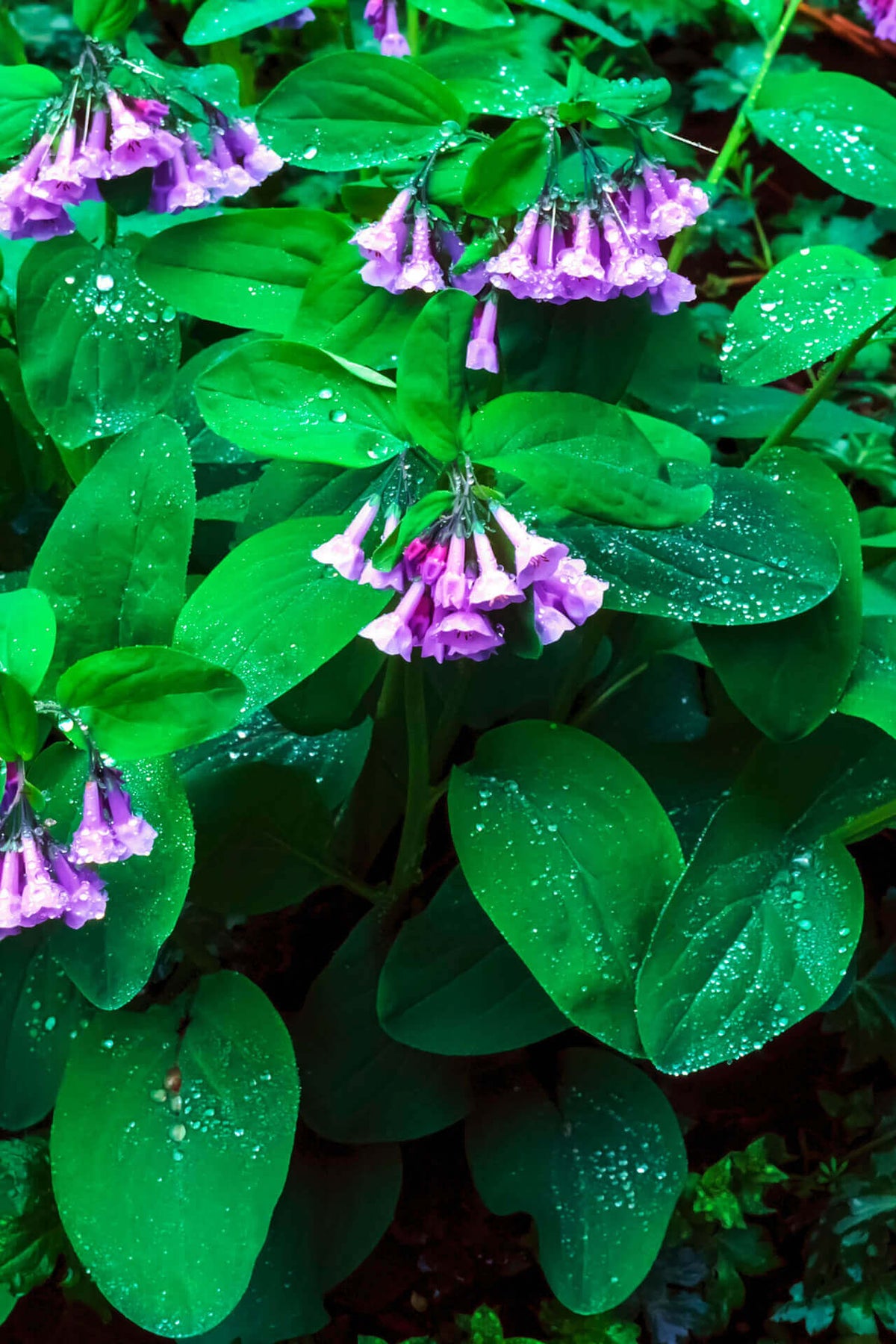
Every spring, before the tree canopy fills in and shades out the forest floor, Virginia Bluebell puts on one of the great native wildflower displays of eastern North America. Clusters of nodding, trumpet-shaped flowers open from pink buds and mature into a soft, true blue, nodding along arching stems in a way that reads more like a woodland scene than a cultivated bed. If you've got a shady corner that never quite pulls its weight in the garden, this is the plant that changes that.
Care & Growing Tips
Virginia Bluebell is among spring ephemerals․ These wildflowers appear in spring‚ give their all‚ die to the ground‚ and vanish once the summer heat arrives․ This is not a failing․ This is a feature: this plant is ideally situated under a deciduous tree or shrub‚ so it can profit from the early spring sunlight before the leaves come out‚ and be dormant under the ground for the rest of the growing season‚ out of the way of the other plants that take their place in summer․ It is hardy for planting in zones 3 through 9 (most of the country) and generally prefers the shade where hostas and ferns already grow well․
More About This Plant
Where to Plant It
Bloom Season & Appearance
Detail 1
Virginia Bluebell belongs in shade gardens and mixed flower beds where its blue color can do some contrast work against the yellows and whites that dominate most early-spring blooms. It looks especially good massed along a woodland path, tucked beneath deciduous trees , or layered in with other spring bloomers so something is always coming up as it fades. Because it disappears by early summer, gardeners often interplant it with hostas, ferns, or later-emerging perennials that fill the visual gap it leaves behind — a classic layering trick covered in more detail in 7 Different Ways To Use Plants When Making A Garden.
Detail 2
The bell-shaped blooms also make it a good companion for other nodding, delicate flowers if you're building out a cottage-style or naturalistic shade border. For more ideas on pairing plants with that same soft, drooping flower form, see Bell-Shaped Perennials For A Delicate Touch To Your Garden .
Additional Details
Growing Notes
Care & Growing Tips (cont.)
The soil is most effectively a mixture of leaf litter and soil‚ or a more organic substance‚ and they require large quantities of water in the spring to be able to grow․ They need shade‚ there is no doubt about this․ Hot‚ dry‚ and/or exposed soil is a non-starter․ Once flowering has finished and the leaves have yellowed‚ it is best not to tidy up too much‚ but to leave the plant to die back‚ thus storing energy for next year's flowering․
Bloom Season & Appearance (cont.)
Because it's native to eastern woodlands, Virginia Bluebell also fits well into a native plant garden built to support early-season pollinators, which are often scrambling for nectar sources before most summer flowers have even started. It pairs easily with other native shade perennials and ferns if you're working toward a low-maintenance, ecologically useful planting scheme rather than a purely ornamental one.