


Tulip Poplar Seedlings
This plant ships:
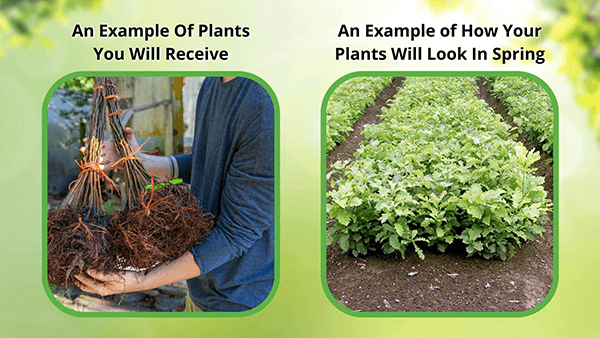
November 2025We sell bare root plants - click here to see what you'll receive
Overview
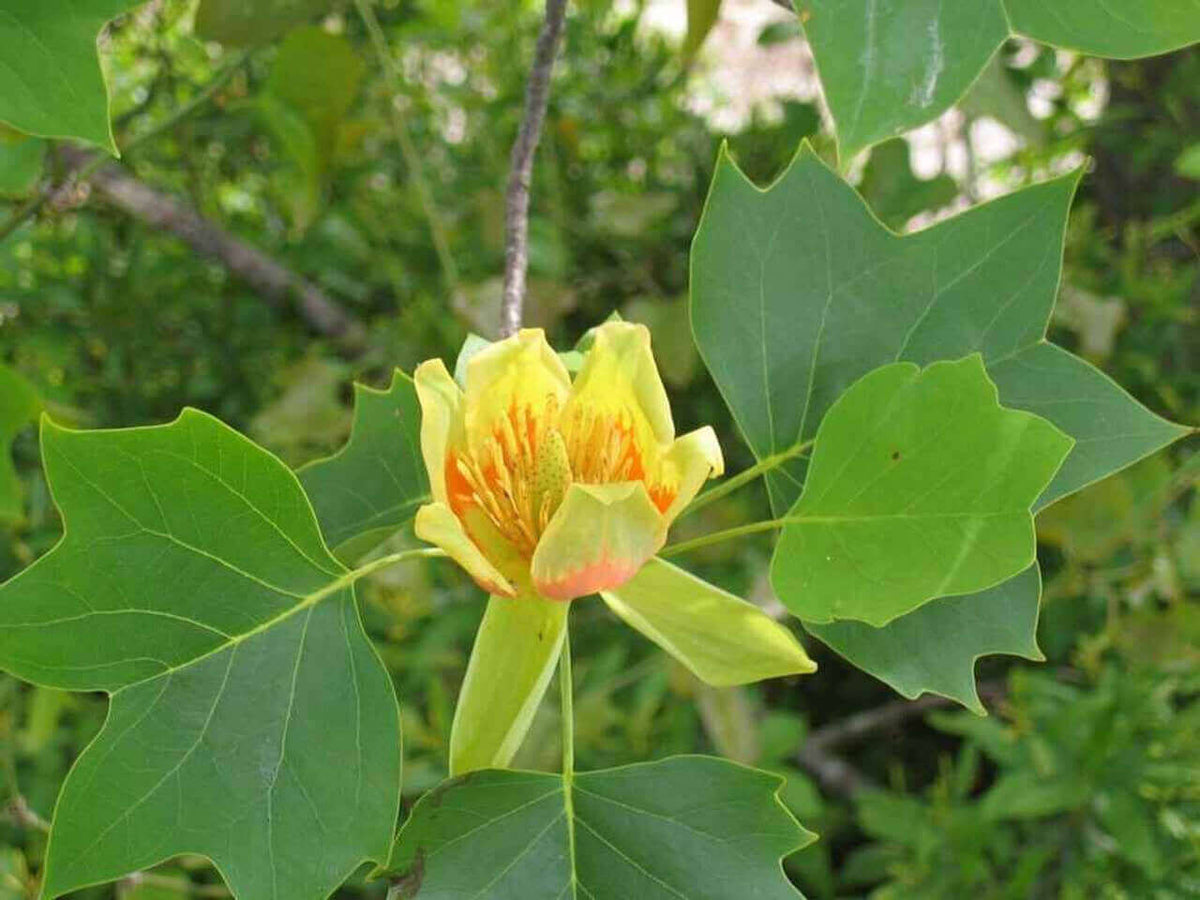
One of the fastest-growing native shade trees in North America is the tulip poplar (Liriodendron tulipifera), prized for its rapid canopy development and the tulip-shaped yellow blooms that appear each spring, cupped with a soft orange base and set against glossy green leaves. If you want a tree that transforms an empty yard into real shade within a handful of seasons, this is it. It's also the state tree of Tennessee, Kentucky, and Indiana, which tells you something about how well it performs across a wide swath of the eastern and central U.S.
More About This Plant
Why Gardeners Plant Tulip Poplar
Bloom Season & Appearance
Fast growth is the headline feature here. Tulip poplars are classified for fast-growing performance, meaning they put on significant height and canopy spread well before many other hardwoods have finished establishing their root systems. That makes them a smart pick for anyone who wants privacy screening, shade over a patio, or a statement tree in a new landscape without waiting decades to see results. The distinctive four-lobed leaves turn a clear golden yellow in autumn, echoing the yellow of the spring blooms and giving the tree a second season of visual payoff.
Care & Growing Tips
These seedlings are suited to planting zones 4 through 9, which covers most of the country outside the deep desert Southwest and the coldest northern pockets. Tulip poplars want full sun and deep, well-drained soil — they're not fussy about soil fertility, but they do sulk in compacted or consistently waterlogged ground. Give them room to grow both up and out; this is not a tree for a tight foundation planting or a spot under power lines.
Additional Details
Planting and Long-Term Care
Care & Growing Tips (cont.)
Plant seedlings in early spring or fall while they're dormant, watering the first year deeply to help roots establish before the tree shifts into its characteristic growth spurt. Once established, tulip poplars are relatively low-maintenance, though young trees benefit from staking in windy sites until the trunk thickens. Because they grow quickly, occasional structural pruning in the first few years helps develop a strong central leader and prevents weak branch unions later on.
Bloom Season & Appearance (cont.)
The spring flowers, though often overlooked because they bloom high in the canopy, are a genuine draw for pollinators, and the tree's fast-maturing structure makes it a good long-term addition for anyone building out a wildlife-friendly landscape. For more on pairing native trees with the birds and insects that depend on them, our post on attracting birds to your garden with native plants covers how canopy trees like this one fit into that bigger picture. And if you're curious how tulip poplar looks alongside other fast-establishing options, browse our full tree seedlings collection to compare growth habits and mature sizes before you plant.
Care & Growing Tips (cont.)
For gardeners newer to growing trees from seedlings rather than nursery-grown specimens, it's worth reading up on what to expect in those early years — root establishment, watering rhythms, and how quickly a small seedling can catch up to a potted tree. Our guide on the beauty of seedlings walks through exactly that, and applies directly to a fast grower like the tulip poplar.