


Sycamore Seedlings
This plant ships:
November 2025We sell bare root plants - click here to see what you'll receive
Overview
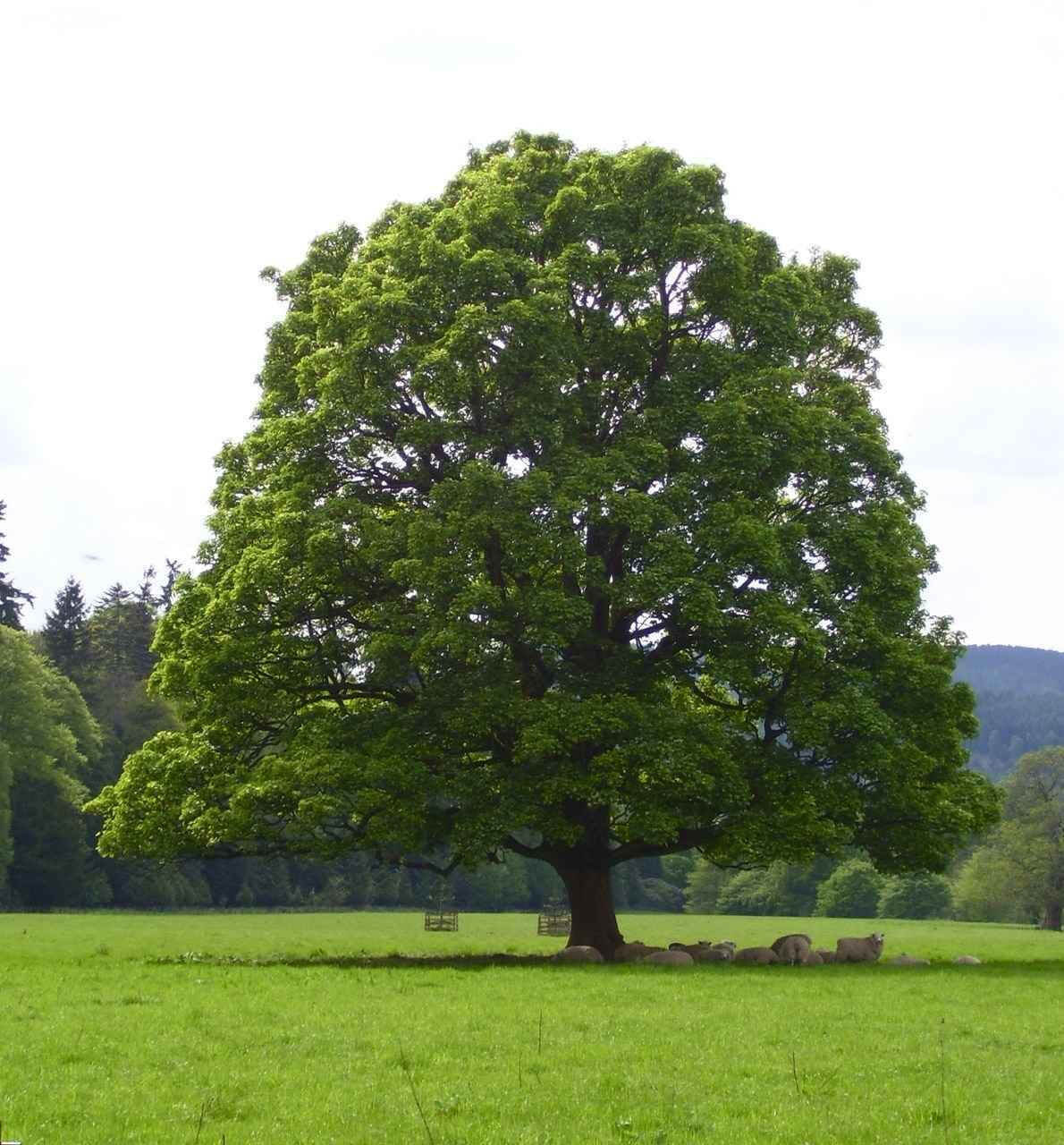
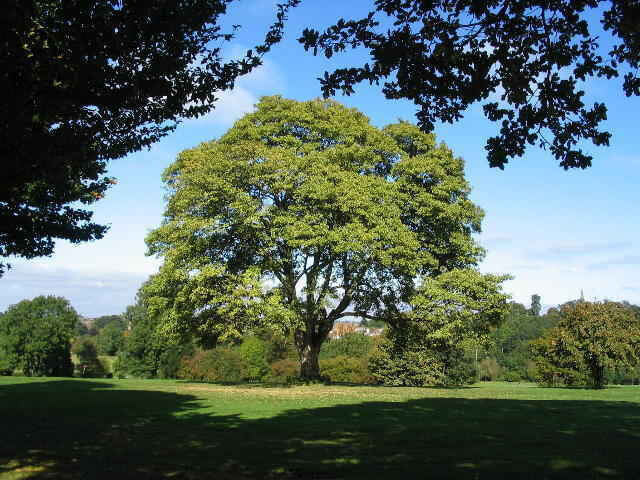
Few trees offer the sheer growth speed and future presence of a sycamore. These seedlings develop into some of the largest deciduous trees in North America, prized for their mottled, exfoliating bark that peels away in patches of gray, tan, and cream as the tree matures, revealing pale inner bark that practically glows in winter light. In spring, they put out small green blooms - unassuming clusters that give way to the fuzzy seed balls sycamores are known for later in the season. If you've got a big open space and the patience for something that will eventually dominate it, this is the tree to plant now.
Care & Growing Tips
Sycamores are workhorses in the landscape. They tolerate compacted soil, urban pollution, and the kind of inconsistent watering that would stress out fussier species, which is part of why they've been a go-to shade tree for parks, riverbanks, and large properties for generations. Their root systems seek out moisture aggressively, making them a natural fit near ponds, streams, or low-lying areas that stay damp after rain. Give them room, though - a mature sycamore can spread a canopy wide enough to shade an entire yard, so this isn't a tree for a small urban lot or anywhere near a foundation or septic line.
More About This Plant
Where Sycamores Thrive
Care & Growing Tips (cont.)
Detail 1
These seedlings are hardy in USDA plant hardiness zones 4 through 9‚ allowing it to be planted in a large swathe of the country between the north and more temperate and warmer southern tiers of the USA․ One of the reasons the sycamore has proven to be a reliable plant to use is that it is much more flexible in climate than many of the ornamental plants․ If you plant it in full sun‚ the fast-growing tree reaches several feet in just a couple of seasons‚ so you don't have to wait a decade to find out if your investment was wise․
Detail 2
Plant seedlings in a spot with deep, workable soil so the root system can establish without obstruction early on. Water consistently through the first two years while the tree is putting down roots - after that, an established sycamore largely takes care of itself, drawing on its natural tolerance for both wet and moderately dry conditions. Because of their eventual size, these are best used as specimen trees , windbreaks, or shade providers along a property line rather than tucked into a foundation planting or mixed border.
Additional Details
Why Start From a Seedling
Care & Growing Tips (cont.)
Starting with a seedling rather than a container-grown sapling gives the tree a chance to adapt its root architecture directly to your soil from day one, and it's a far more economical way to plant a tree that's going to spend decades - if not a century or more - on your property. If you're building out a broader planting of shade and specimen trees, it's worth browsing our full tree seedlings collection to see what pairs well alongside sycamores in terms of growth habit and seasonal interest. And if you're new to growing from seedling stock, our post on the beauty of seedlings covers what to expect in those first few growing seasons, from initial root establishment to the first real flush of vertical growth.
Additional Details
A sycamore seedling is a long-term investment in shade, structure, and that unmistakable patchwork bark that only gets more striking with age. Plant it where it has room to become what it's meant to be.