


Sourwood Tree Seedlings
This plant ships:
November 2025We sell bare root plants - click here to see what you'll receive
Overview
The Sourwood (Oxydendrum arboreum) is one of the most underappreciated native trees you can plant, prized as much for its drooping clusters of red blooms as for the show it puts on every autumn. Hardy across zones 5 through 9, this seedling grows into a small to medium ornamental tree that earns its keep in spring, summer, and fall alike. If you've got a spot that needs a plant that does more than just sit there green all season, the Sourwood is worth a serious look.
More About This Plant
What Makes the Sourwood Stand Out
Bloom Season & Appearance
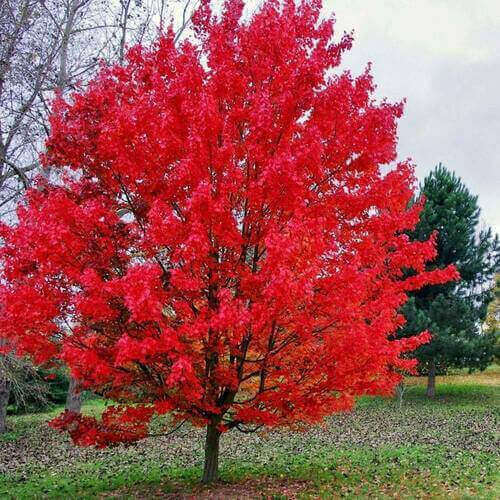
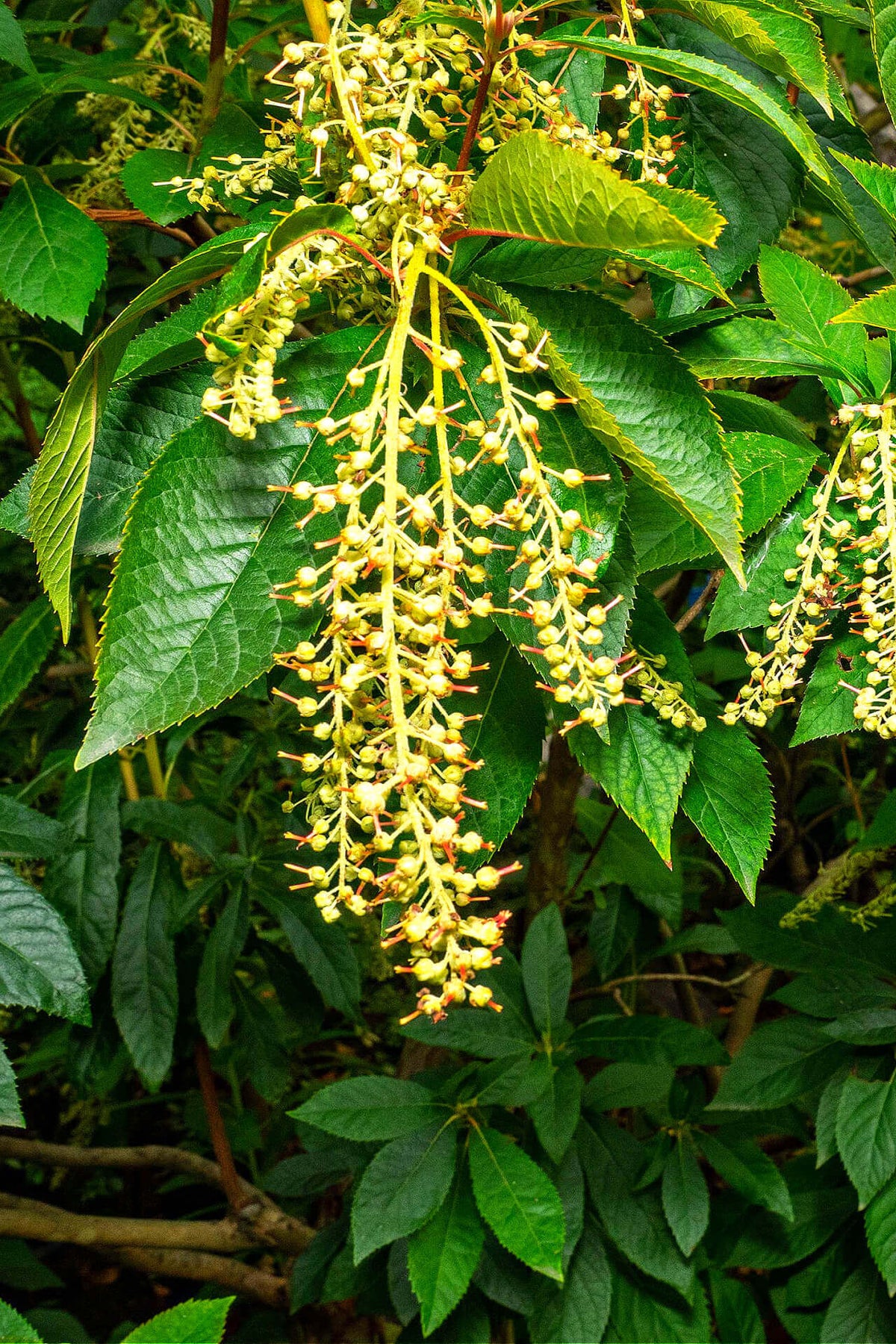
Come bloom time, the Sourwood produces long, drooping panicles of red flowers that hang from the branch tips like tiny strands of bells. Bees find them irresistible, and beekeepers in the Appalachian region have prized Sourwood honey for generations because of the delicate, slightly tangy flavor the tree's nectar produces. But the flowers are really just the opening act. Once summer fades, the Sourwood shifts into its signature role as a foliage tree, turning in shades of deep crimson and burgundy that rival any maple in the neighborhood. It's one of the earliest trees to color up in fall, often starting its transformation while everything else around it is still green, which makes it a natural anchor for anyone chasing that peak autumn display. For more on timing your yard for maximum color, our post on chasing colors in autumn pairs well with a Sourwood planting plan.
Additional Details
Where and How to Plant It
Care & Growing Tips
Sourwood seedlings do best in well-drained, slightly acidic soil, and they appreciate a spot with morning sun and some afternoon shade, though established trees tolerate more sun once their root systems settle in. They're naturally understory-adjacent trees in the wild, often found at woodland edges, so a partially sheltered location near larger trees or structures tends to suit them better than an exposed open field. Patience is part of the deal here. Sourwood is a slower grower than many ornamental trees, but that unhurried pace means a denser branching structure and a tidier overall shape over time, without the need for heavy pruning. Because the root system dislikes disturbance, it's best to choose a permanent planting site early and avoid transplanting once the seedling is established.
Bloom Season & Appearance (cont.)
Detail 1
The vibrant foliage alone justifies giving this tree a prominent spot in the landscape, whether as a specimen tree near a patio, a focal point along a walkway, or mixed into a broader planting scheme where fall color needs a boost. Gardeners looking to build out a fuller collection of foliage and flowering trees can browse our full tree seedlings collection to find companion species that bloom or color at different points in the season, extending interest in the yard well beyond a few weeks in October.
Detail 2
Sourwood also has a quieter appeal for anyone building a native, ecologically minded landscape. Its flowers support pollinators late in the season when many other nectar sources have dried up, and its structure provides cover and habitat value as it matures. For gardeners already curious about layering native species for wildlife benefit, our guide to crafting a graceful landscape with native plants offers useful context for where a tree like this fits into the bigger picture.