

Redbud Seedlings
This plant ships:
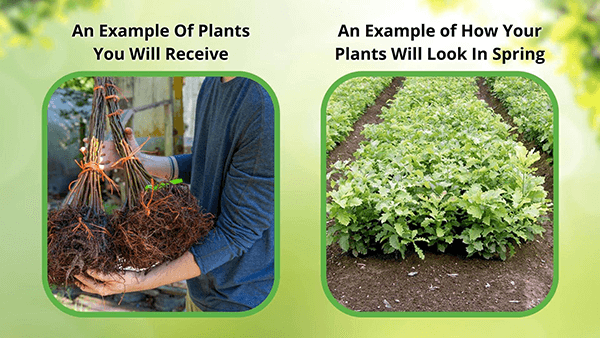
November 2025We sell bare root plants - click here to see what you'll receive
Overview
A Fast-Growing Native Tree with Show-Stopping Spring Color
Bloom Season & Appearance
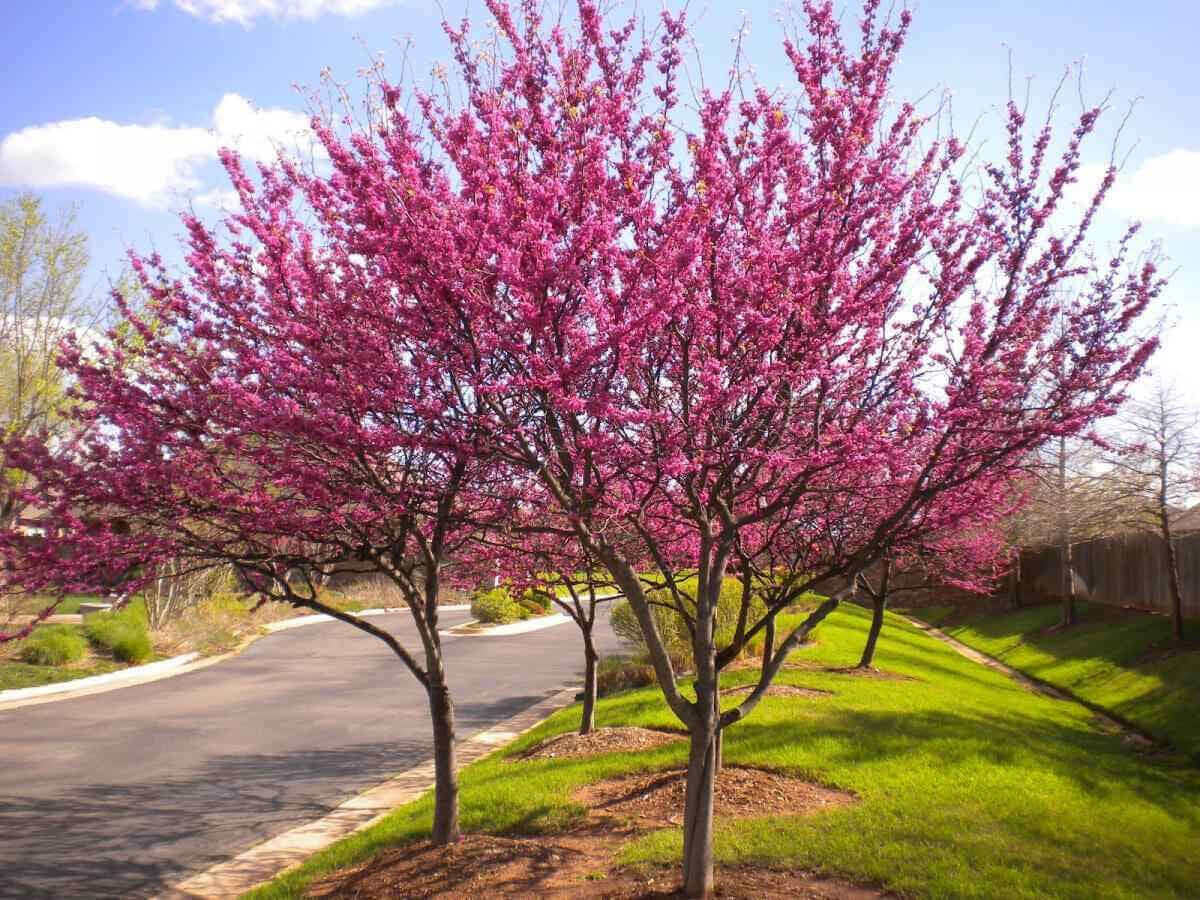
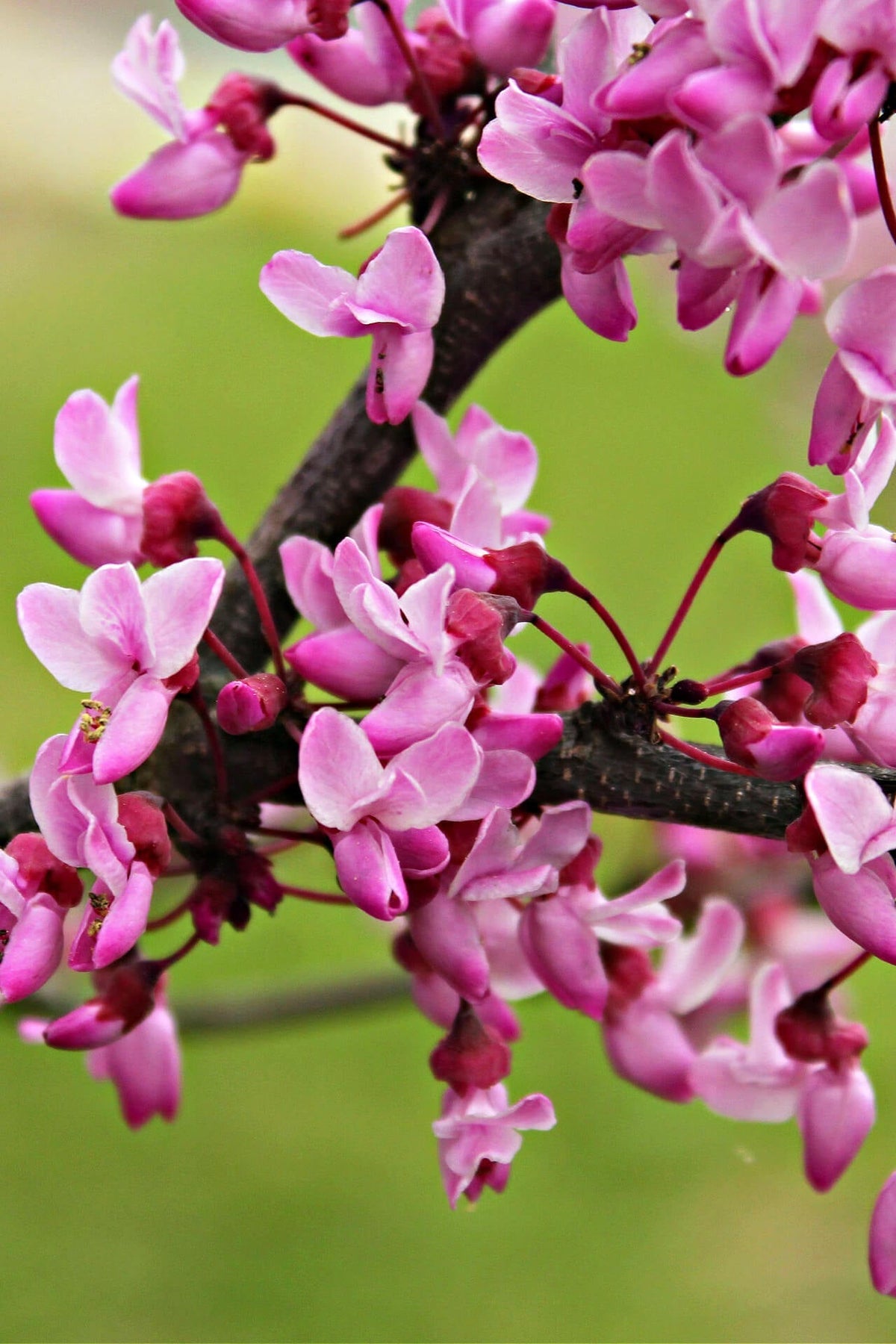
Redbud seedlings bring one of the earliest and most reliable pink blooms to the spring garden, often flowering before the leaves even emerge so the branches look studded with small clusters of rosy-pink color. Starting these trees from seedlings means you get to watch the entire transformation—from a slender sapling to a broad, low-branching tree with a rounded crown that becomes a focal point for years to come. Because redbuds are classified as fast-growing, gardeners don't have to wait a decade for a mature-looking specimen; the structure fills in quickly, and the heart-shaped leaves that follow the bloom give the tree a full, lush appearance through summer.
Care & Growing Tips
Redbuds are well-suited to a wide range of climates, thriving in planting zones 4 through 9. That range covers everything from cooler northern gardens to warmer southern ones, making this one of the more adaptable flowering trees available for home landscapes. Whether you're working with a small suburban yard or a larger rural property, redbuds tend to fit naturally into the landscape rather than dominating it, since they stay modest in width and rarely require heavy pruning to look their best.
More About This Plant
Why Gardeners Keep Coming Back to Redbuds
Bloom Season & Appearance (cont.)
Part of the redbud's appeal is how much visual interest it delivers across multiple seasons. That pink spring bloom is the headline feature, but the tree also produces attractive seed pods later in the year and heart-shaped foliage that turns yellow in fall, adding another layer of color to the landscape as temperatures drop. Redbuds are also a favorite among gardeners focused on supporting local ecosystems, since the early blooms act as a food source for bees and other pollinators, a nectar source just as they're becoming active in spring. For a deeper look at why this tree has earned such a strong reputation among landscapers and native plant enthusiasts, our post on the value of redbud trees covers the ecological and aesthetic benefits in more detail.
Care & Growing Tips (cont.)
Because they're being sold as seedlings, these young trees are easier to transport, transplant, and establish than larger nursery stock, and they tend to adapt more readily to the specific soil and light conditions of your yard. Seedlings also give you more flexibility in placement—you can plant them along a property line, near a patio, or as part of a mixed planting without worrying about moving an unwieldy root ball later. If you're planning a broader planting project and want to explore other young trees that pair well with redbuds, our tree seedlings collection is a good place to compare options and build out a cohesive landscape plan.
Additional Details
Planting and Placement Tips
Care & Growing Tips (cont.)
Redbuds generally do best with a mix of sun and light shade, and they're tolerant of a range of soil types once established, which is part of why they perform so well across zones 4 through 9. Give the seedling room to develop its characteristic rounded, spreading habit rather than crowding it against structures or other trees. Early staking can help young seedlings establish a strong root system, and consistent watering during the first year or two will support the fast growth this species is known for. Once established, redbuds require relatively low maintenance, rewarding that early attention with reliable spring color for many seasons ahead.