


New York Fern
This plant ships:
7-10 DaysWe sell bare root plants - click here to see what you'll receive
Overview
A Woodland Classic for Shady Corners
Bloom Season & Appearance
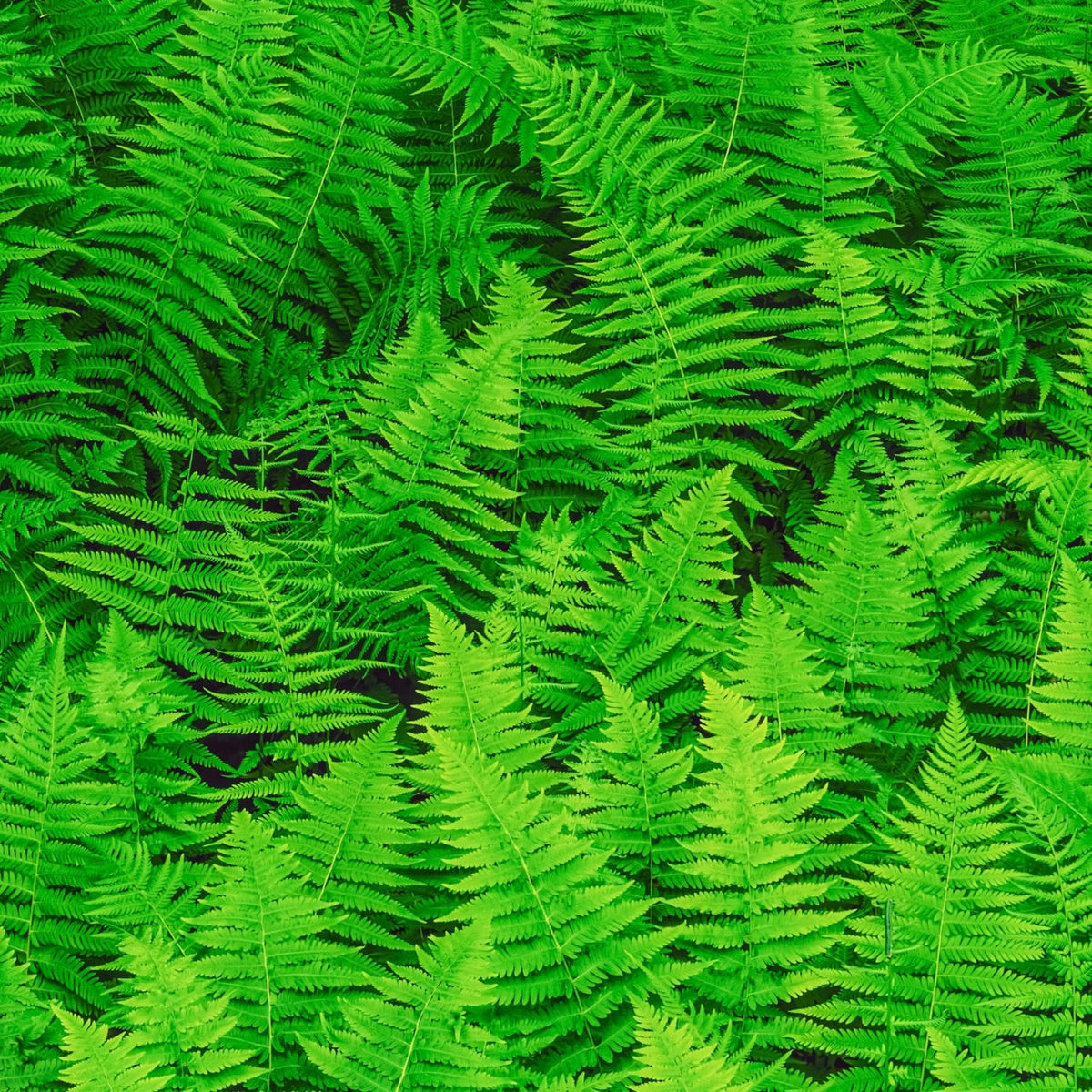
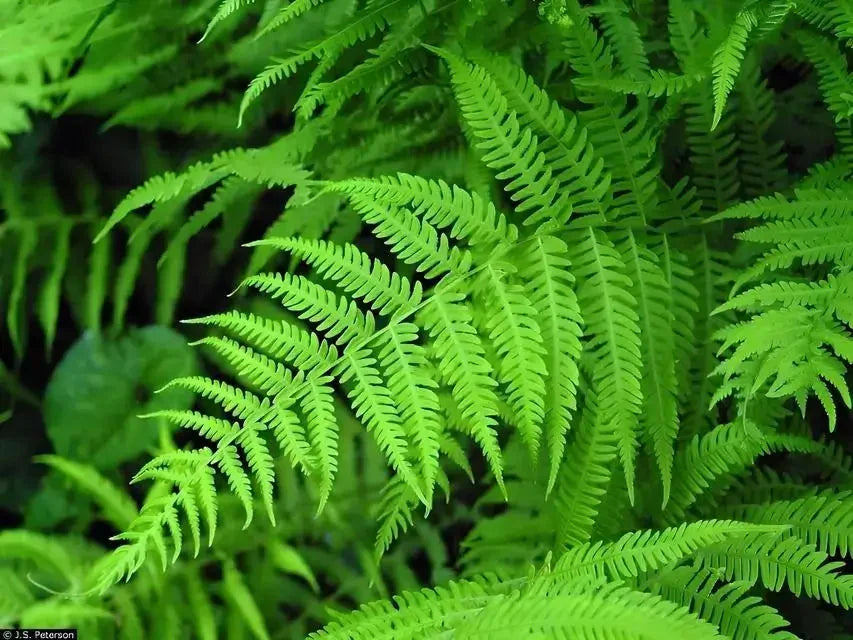
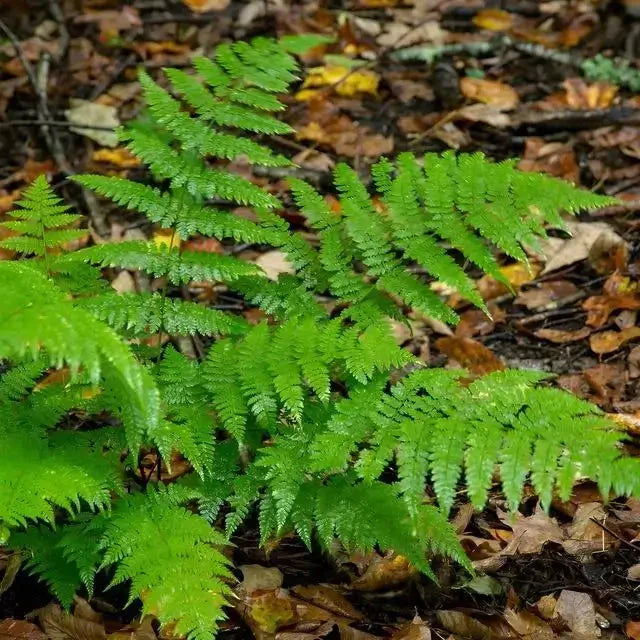
New York Fern (Thelypteris noveboracensis) is the fern that quietly fills in the gaps other plants ignore — those dappled, root-tangled spots under trees where grass gives up and most perennials sulk. Its lacy, yellow-green fronds taper at both ends, giving the plant a distinctive tapered silhouette that sets it apart from the more uniform shield and wood ferns. Left to its own devices, it spreads by rhizome to form loose, naturalistic drifts rather than tidy clumps, which is exactly why landscapers reach for it when they want a woodland floor to look like it's been there for decades, not planted last spring.
Care & Growing Tips
Hardy across zones 3 through 8, this fern shrugs off harsh winters and doesn't need coddling once established. That kind of cold tolerance is unusual among ferns, and it's worth reading through our guide on hardy fern plants for cold climates if you're gardening somewhere the ground freezes solid for months. New York Fern doesn't just survive that kind of winter — it comes back reliably every spring, unfurling fresh fiddleheads as the soil warms.
Landscape Uses
Where It Belongs in the Landscape
Care & Growing Tips (cont.)
Detail 1
This is a shade garden plant through and through. It thrives in the filtered light under deciduous canopies, along the north side of buildings, or in that awkward strip between a fence line and mature trees where sun rarely reaches. Because it spreads rather than stays put, it's better used as a groundcover or naturalized drift than as a single specimen plant — mass it along a shaded slope, tuck it beneath azaleas and hostas, or let it soften the base of a wooded path. Its texture reads as fine and airy against broader-leaved companions like hosta or heuchera, which is a classic pairing in shade garden design.
Detail 2
Because it colonizes, it also does well holding soil on shaded banks where erosion is a concern, and it fills in around tree roots where mowing is impractical. If you're landscaping a new shade bed and want something low-maintenance that earns its keep without constant attention, browse our easy ferns to grow collection alongside this one — New York Fern fits right in with that low-fuss philosophy.
More About This Plant
Care Notes
Care & Growing Tips (cont.)
Once established, New York Fern asks very little of you. Give it consistent moisture, especially through its first growing season, and a spot with some shade protection during the hottest part of the day. It's not fussy about soil pH and tolerates the acidic, humus-rich conditions typical of woodland floors, but it will also adapt to average garden soil as long as it isn't bone dry. Because it spreads by rhizome, it can be divided every few years if you want to expand your planting or share it elsewhere in the garden — a simple, low-cost way to fill out a shade border over time.
Planting Zone & Climate
Deer tend to leave ferns alone compared to more tender perennials, which makes New York Fern a practical choice for properties with browsing pressure. Pair that resilience with its cold hardiness and shade tolerance, and you've got a plant built for the parts of the yard that give most gardeners the most trouble.