


Ostrich Fern
This plant ships:
7-10 DaysWe sell bare root plants - click here to see what you'll receive
Overview
A Bold, Architectural Fern for Cold-Climate Gardens
Landscape Uses
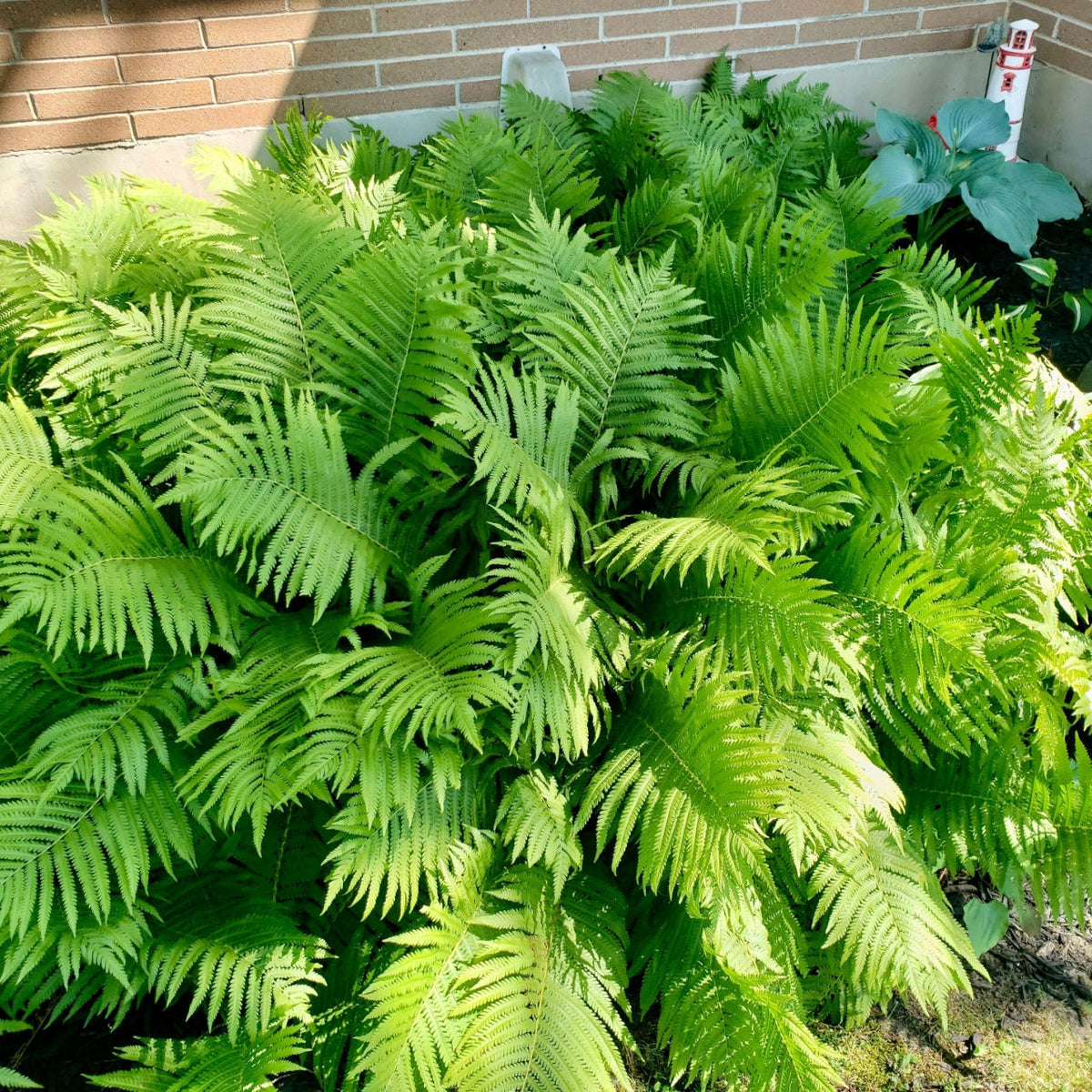
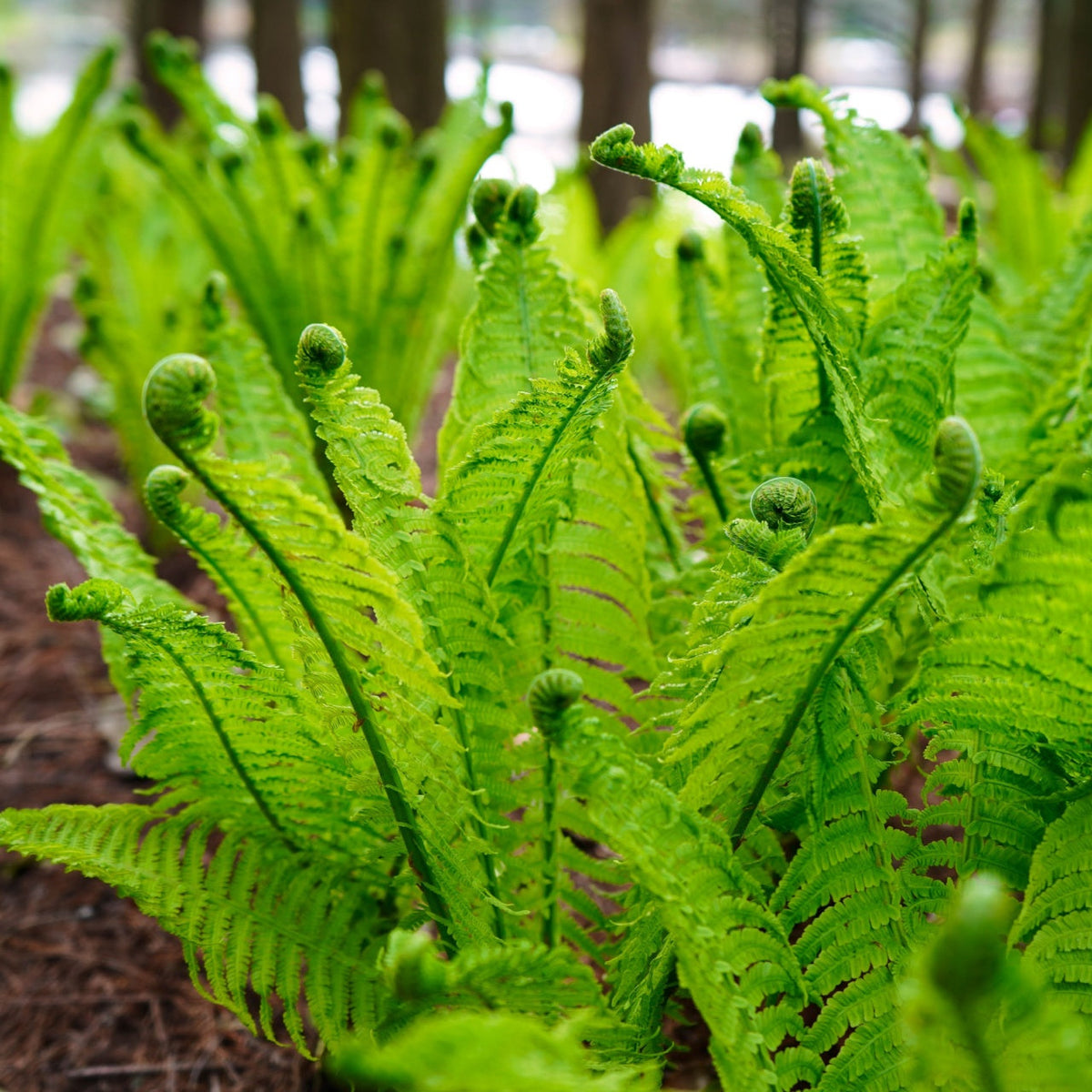
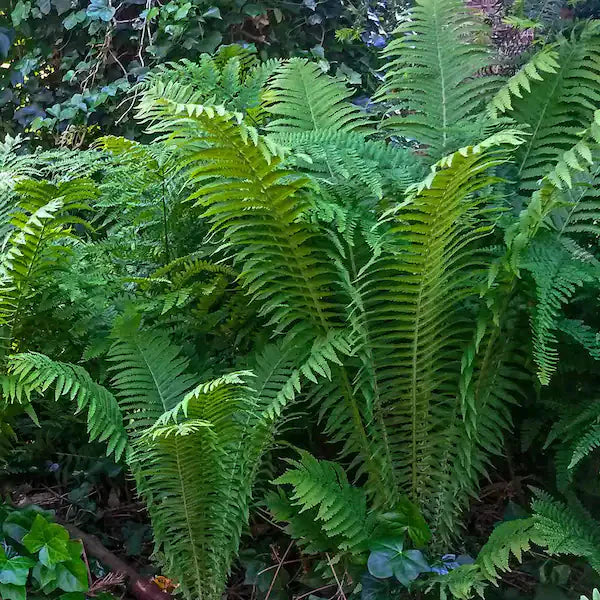
The Ostrich Fern (Matteuccia struthiopteris) earns its name from the way its fronds curl and fan out like ostrich plumes, creating a lush, vase-shaped clump that brings serious drama to shaded corners of the yard. This is a fern built for landscaping, not container windowsills — it spreads via underground rhizomes to form dense colonies over time, making it one of the most reliable choices for filling in woodland edges, foundation beds, or the shady side of a fence line where little else wants to grow.
Care & Growing Tips
What sets Ostrich Fern apart from more delicate fern species is its sheer toughness. It's rated for Zones 3 through 7, which means it shrugs off harsh winters that would kill off less hardy ferns, dying back completely to the ground each fall and returning reliably every spring once the soil warms. If you garden anywhere from the upper Midwest through the Mid-Atlantic, this is one of the few ferns that will genuinely thrive rather than just survive. Gardeners looking for other species that handle similar winters should check out our guide to hardy fern plants for cold climates for companion options that share the same cold tolerance.
Landscape Uses (cont.)
Where and How to Use It in the Landscape
Care & Growing Tips (cont.)
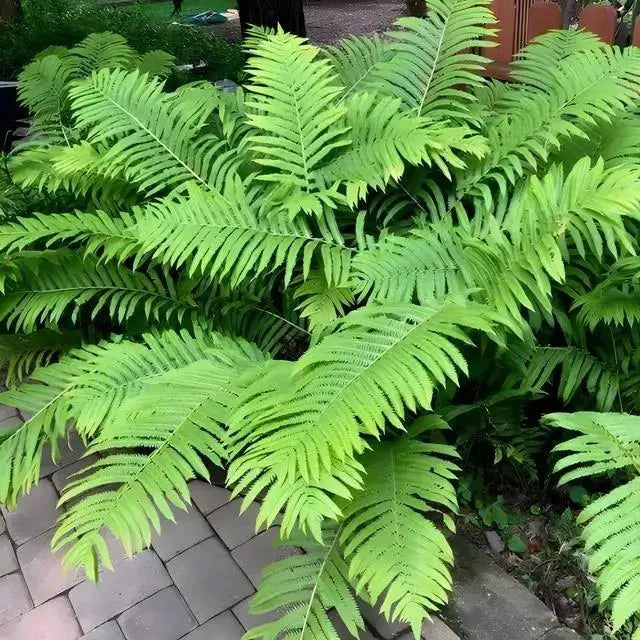
Ostrich Fern wants consistently moist, rich soil and dappled to full shade — think the north side of a house, under mature trees , or along a stream bank where the ground stays damp. Once established, its rhizomes will slowly colonize the surrounding area, which is exactly why it works so well as a naturalizing groundcover rather than a single specimen plant. Use it to soften the base of shrubs, mass it along a shaded walkway, or let it fill out a low spot in the yard where standing moisture makes other perennials struggle. Because it's categorized for landscaping use, it's best planted with room to spread rather than tucked into a tight formal border.
Bloom Season & Appearance
The fiddleheads that emerge in spring are a bonus for gardeners who like to forage their own dinner, and the fronds themselves hold their fresh green color well into the growing season before dying back with the first hard frosts. Pair it with hostas, astilbe, or native woodland perennials for a layered shade garden that changes texture through the seasons. For anyone building out a low-fuss shade garden this year, our easy ferns to grow collection rounds up other varieties that pair naturally with Ostrich Fern's growth habit and moisture needs.
More About This Plant
Why Gardeners Keep Coming Back to This Fern
Care & Growing Tips (cont.)
Ostrich Fern isn't fussy about pests or disease, doesn't need fertilizing to perform, and tolerates the kind of wet, heavy soil that rots out other perennials. It's the plant you reach for when a shaded, damp area of the yard has defeated everything else you've tried. Give it space to spread across Zones 3 through 7, keep the soil from drying out completely, and it will reward you season after season with the kind of full, textured greenery that makes a shade garden feel intentional instead of empty.