

Chestnut Oak Seedlings
This plant ships:
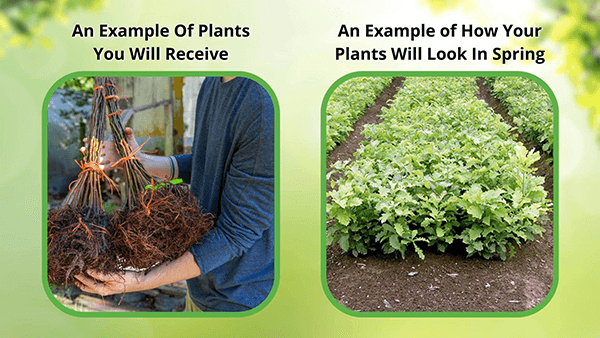
November 2025We sell bare root plants - click here to see what you'll receive
Overview
A Native Oak Built for the Long Haul
Bloom Season & Appearance
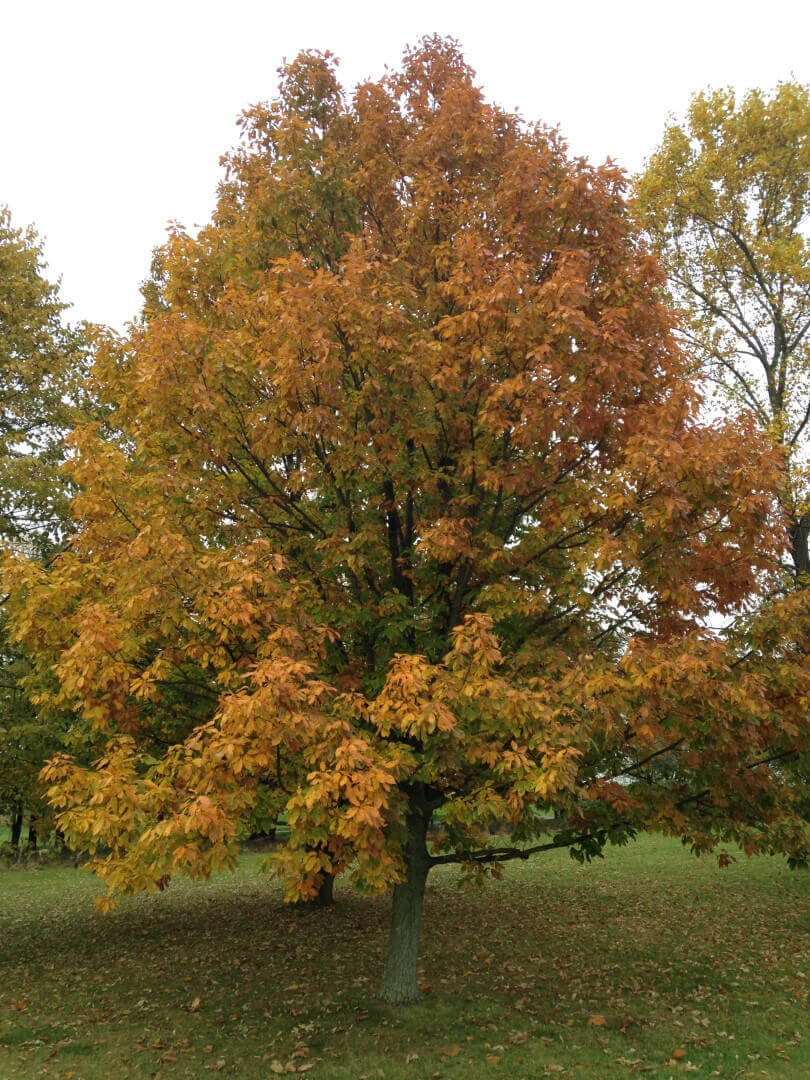
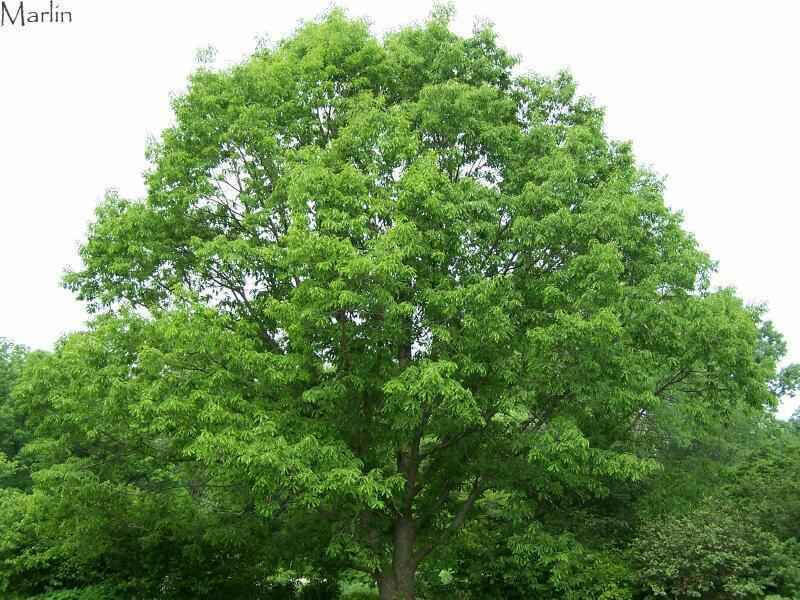
Chestnut Oak (Quercus montana) is one of the toughest native hardwoods you can put in the ground, prized for its deeply ridged, dark bark and broad, leathery leaves with the scalloped edges that give the tree its name. It's not grown for flashy blooms- the flowers are the typical green, wind-pollinated catkins you'd expect from any oak- but for what it becomes over decades: a massive, rugged shade tree that anchors a landscape for generations. If you've ever hiked a ridge in the Appalachians, there's a good chance you've stood under one of these, since Chestnut Oak dominates dry, rocky slopes where other trees struggle to take root.
Care & Growing Tips
That toughness is exactly why it's worth planting. Chestnut Oak seedlings tolerate poor, thin, acidic soils and exposed sites that would stress out a maple or a dogwood, making them a smart pick for the difficult corner of a property that nothing else wants to grow in. Hardy across zones 5 through 9, it handles both a real winter and a hot southern summer without complaint, and once established it needs very little from you beyond patience.
Landscape Uses
Where It Fits in a Landscape
Care & Growing Tips (cont.)
Detail 1
This is a tree for people thinking in terms of decades, not seasons. Chestnut Oak is best suited to climate-resilient landscaping projects, large-property plantings, slopes prone to erosion, and naturalized areas where a big canopy tree is wanted but irrigation and soil amendment aren't realistic long-term options. Its deep taproot system, which makes it a bit slower to establish in a container, is also what allows mature trees to anchor themselves on steep or rocky ground where shallow-rooted species eventually topple.
Detail 2
Give it full sun to light shade and well-drained soil, and otherwise leave it alone. It's not a tree for formal, manicured beds or tight urban lots; it wants room to spread its root system and grow into the wide, rounded crown it's known for at maturity. Used as a specimen tree, a windbreak component, or part of a native reforestation planting, it earns its keep as a genuine landscaping asset rather than a decorative accent.
More About This Plant
Growing It From a Seedling
Care & Growing Tips (cont.)
Starting from a young seedling rather than a nursery-grown balled-and-burlapped tree has real advantages here: Chestnut Oak transplants poorly once its taproot is established, so getting it into its permanent home early gives you a stronger, better-adapted tree in the long run. Plant in fall or early spring, water consistently through the first year or two, and then step back- this is a species built to fend for itself once it's settled in.
Wildlife & Pollinator Benefits
It's also a quietly important tree for wildlife. The acorns are an important food source for deer, turkey, squirrels, and other foraging animals, and the tree's dense canopy provides cover that many bird species rely on. If that side of gardening interests you, it pairs well with the ideas in attracting birds to your garden with native plants, and it's worth reading up on seedling care generally in The Beauty of Seedlings before you plant. For more native hardwood options to plant alongside it, browse our full tree seedlings collection.