

Bracken Fern
This plant ships:
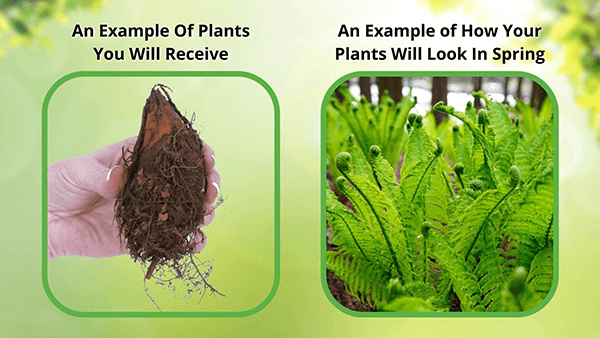
7-10 DaysWe sell bare root plants - click here to see what you'll receive
Overview
A Tough, Fast-Spreading Fern for the Woodland Edge
Planting Zone & Climate
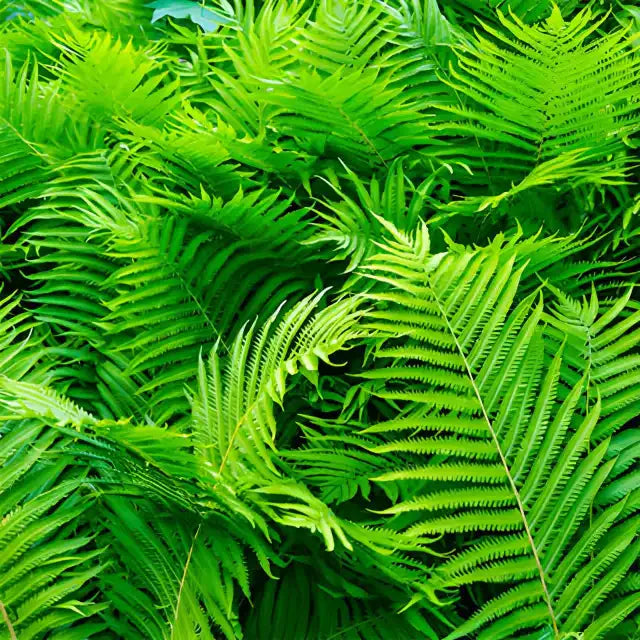
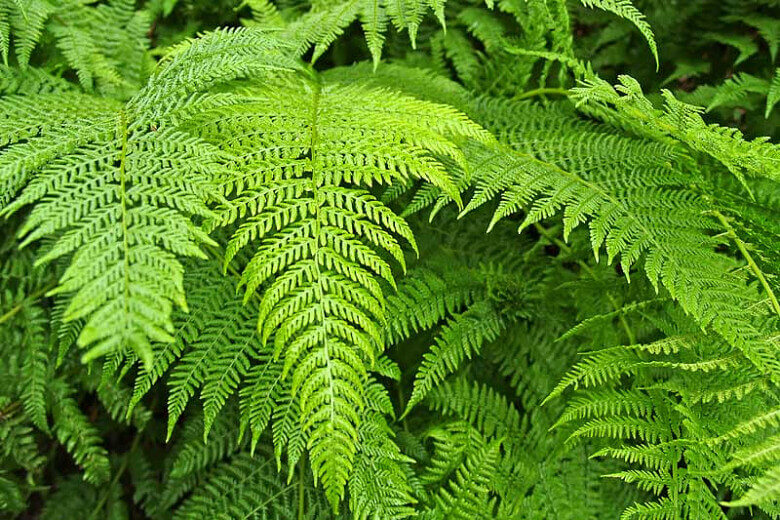
Bracken Fern is one of the most widely distributed ferns on the planet, and once you've grown it, you'll understand why. This is not a delicate, fussy specimen fern that needs coddling — it's a rugged, deeply rhizomatous grower that colonizes shady, difficult ground where other plants give up. The fronds are large, triangular, and finely divided, giving that classic feathery fern texture but on a bigger, bolder scale than most woodland ferns. It thrives across Zones 3 through 9, which covers everything from cold northern gardens to the warmer mid-South, making it one of the more adaptable ferns you can plant.
Landscape Uses
What sets Bracken Fern apart from more refined garden ferns is its habit of spreading via underground rhizomes. Give it space, and it will fill in a shaded slope, a woodland margin, or that awkward strip under mature trees where grass refuses to grow . If you're working with a shade garden that needs a groundcover with real presence rather than a few scattered clumps, this is the plant. It pairs naturally with other native shade species and works especially well in border plantings built around native ferns.
More About This Plant
Where to Plant It
Planting Zone & Climate (cont.)
Bracken Fern is built for Usage in Shade Gardens, and that's exactly where it earns its keep. Dappled light under deciduous trees, the north side of a fence or building, or a naturally moist, shaded hillside are all good fits. Because of its spreading nature, it's best used where you want coverage rather than a tidy, contained clump — think naturalized areas, woodland restoration projects, or the transition zone between a lawn and a treeline. Gardeners in colder regions who assume ferns are limited to a short list of hardy species should take a look at what else performs reliably in cold-climate fern selections, where Bracken Fern's wide zone range puts it in good company.
Care & Growing Tips
It also has ecological value beyond its looks. Dense fern colonies like this one provide cover for small wildlife and help stabilize soil on slopes and banks where erosion is a concern. If you're planning a broader shade or woodland garden and want a sense of how ferns fit into the bigger design picture, our post on using ferns throughout the garden covers placement ideas that apply directly to a spreader like Bracken Fern.
Additional Details
Low Maintenance, High Reward
Care & Growing Tips (cont.)
Once established, Bracken Fern asks very little of the gardener. It doesn't need regular dividing, doesn't require rich amended soil, and tolerates the kind of dry shade that stops many other plants cold. This makes it a smart pick for gardeners who want greenery in tough spots without a maintenance routine to match. If low-fuss ferns are what you're after for other parts of the property too, browse our easy ferns to grow collection for more options that share this same set-it-and-forget-it character.
Bloom Season & Appearance
Keep in mind that Bracken Fern's vigor is the whole point — it's not the right choice for a small, formal bed where you want a single neat clump. But for anyone with a shaded stretch of yard that needs filling in, a fern that spreads on its own, holds its ground through winter dieback and spring regrowth, and asks for nothing more than shade and patience is hard to beat.