

Blue Hydrangea
This plant ships:
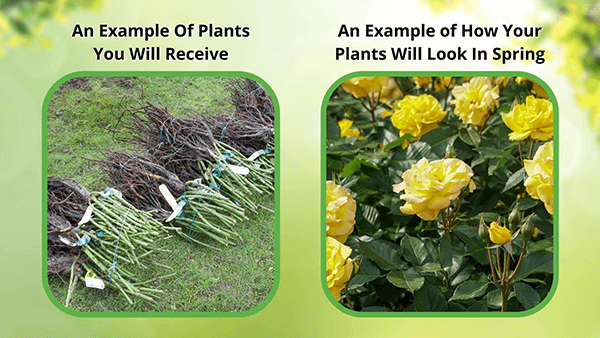
November 2025We sell bare root plants - click here to see what you'll receive
Overview
A Showstopper for the Flower Garden
Bloom Season & Appearance
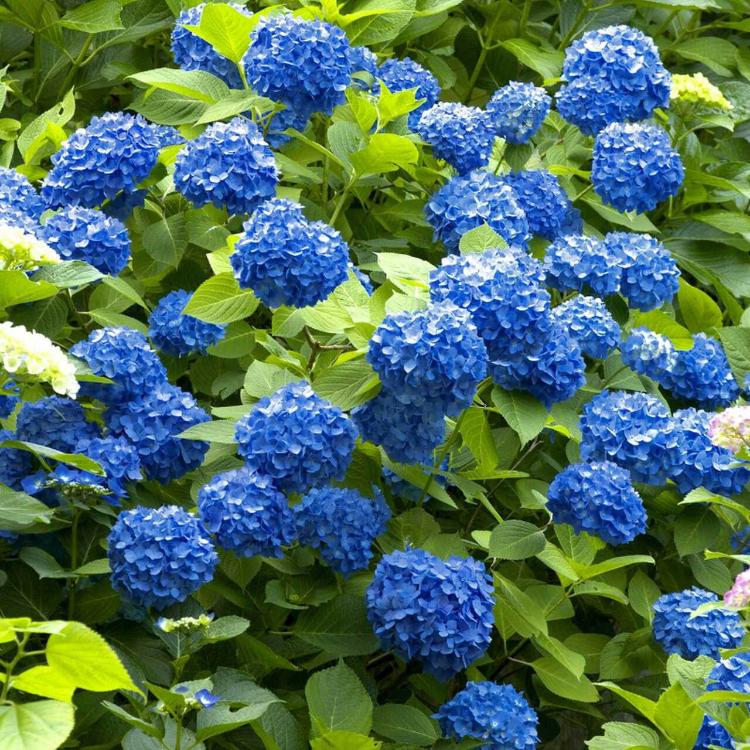
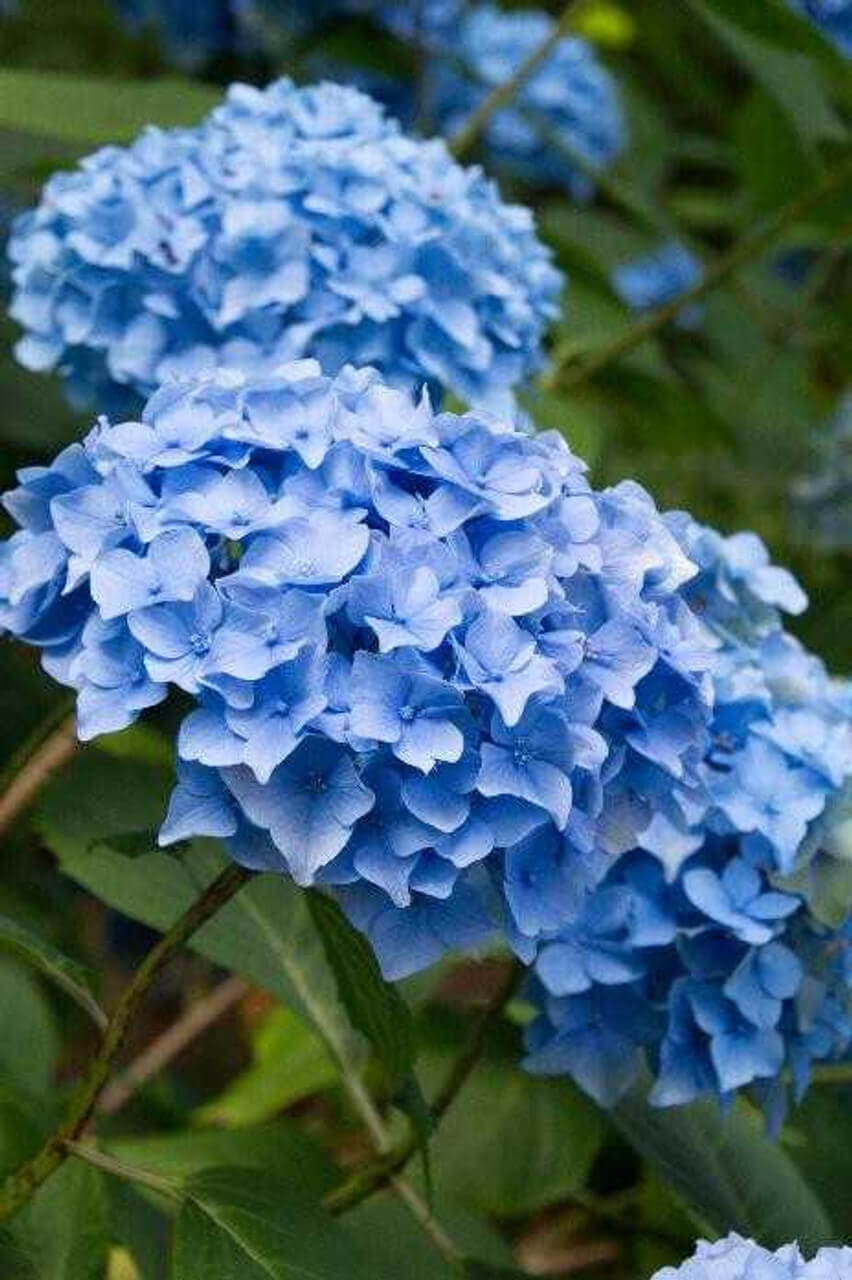
The Blue Hydrangea earns its keep with those signature mophead blooms in true, saturated blue — the kind of color that photographs beautifully and stops neighbors mid-walk. This is a classic pick for anyone building out a flower garden, whether you're filling a shady border, anchoring a mixed perennial bed, or planting a hedge of them along a fence line for a wall of color come bloom season. Few shrubs deliver this much visual payoff for the space they take up.
Care & Growing Tips
Blue Hydrangea is rated for zones 3 through 9, which covers an enormous range of gardens across the country, from cooler northern climates down through warmer southern zones. That kind of adaptability makes it a dependable choice whether your winters bring hard frost or your summers run long and hot. Give it a spot in morning sun and afternoon shade if you're in a warmer zone, since intense afternoon heat can stress the blooms and shorten their display.
Bloom Season & Appearance (cont.)
Keeping That Blue Color True
Care & Growing Tips (cont.)
Detail 1
One thing worth knowing before you plant: hydrangea bloom color isn't fixed the way it is with most flowering shrubs . Blue hydrangeas get their color from aluminum uptake in acidic soil, so the blue you're after depends on keeping soil pH on the lower end, generally below 6.0. If your soil leans alkaline, the same plant can drift toward pink or purple over a season or two. Gardeners who want to hold onto that vivid blue often work in soil amendments like aluminum sulfate or use a naturally acidic mulch, and testing your soil before planting will save you some guesswork later. Consistent moisture matters too — hydrangeas are thirsty shrubs, and a dry stretch during bud development can mean fewer blooms the following year.
Detail 2
Once established, plan on regular watering through the growing season, especially in the first year while the root system is settling in. Mulching around the base helps retain moisture and keeps roots cooler through summer heat. Pruning should be done thoughtfully, since many hydrangeas bloom on old wood — cutting back too aggressively in fall or spring can remove next year's flowers before they even form.
Landscape Uses
Where It Fits in Your Landscape
Bloom Season & Appearance (cont.)
Blue Hydrangea works well as a standalone specimen near a patio or entryway, but it really shines when grouped in odd numbers along a garden bed, where the blooms create a continuous ribbon of color from early summer into fall. It pairs naturally with hostas, ferns, and other shade-tolerant perennials that appreciate similar moisture and light conditions. If you're mapping out how different plants can work together in a single bed, our post on 7 different ways to use plants when making a garden is a good place to start for layout ideas. And if you're shopping around for other reliable, high-demand shrubs and perennials to round out the same bed, our best-selling plants collection is worth a browse before you check out.