

Black Willow Stakes
This plant ships:
7-10 DaysWe sell bare root plants - click here to see what you'll receive
Overview
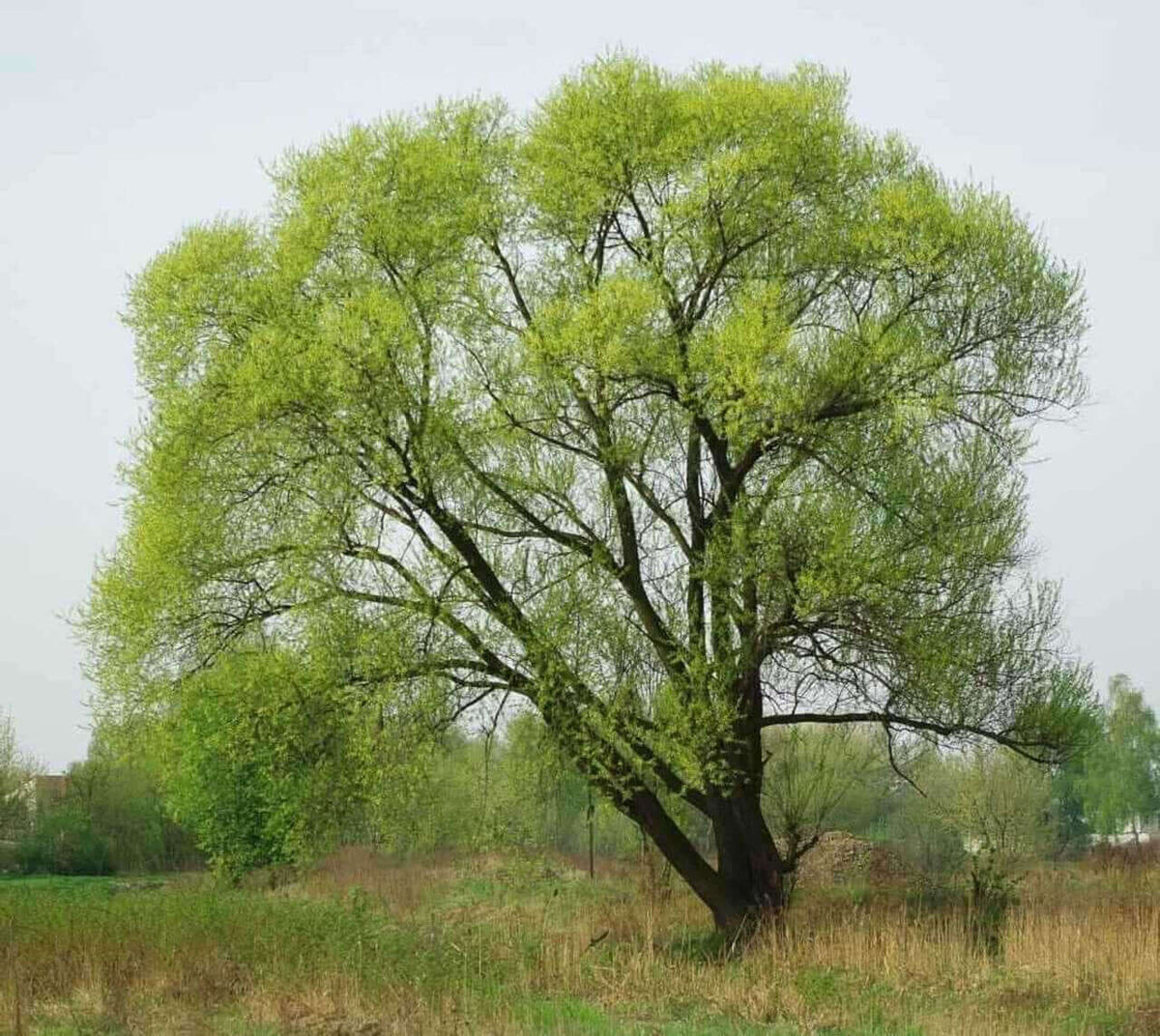
Black willow stakes (Salix nigra) are dormant, unrooted cuttings taken directly from mature willow branches and sold ready to plant straight into moist soil. There's no pot, no root ball, and no fuss involved — you simply push the stake into the ground where you want a tree to grow, and the willow does the rest. Few plants root as reliably or grow as fast from a bare stick, which is exactly why black willow has become a go-to choice for stabilizing streambanks, pond edges, and any patch of ground that stays consistently damp.
More About This Plant
Why Gardeners Plant Them
Care & Growing Tips
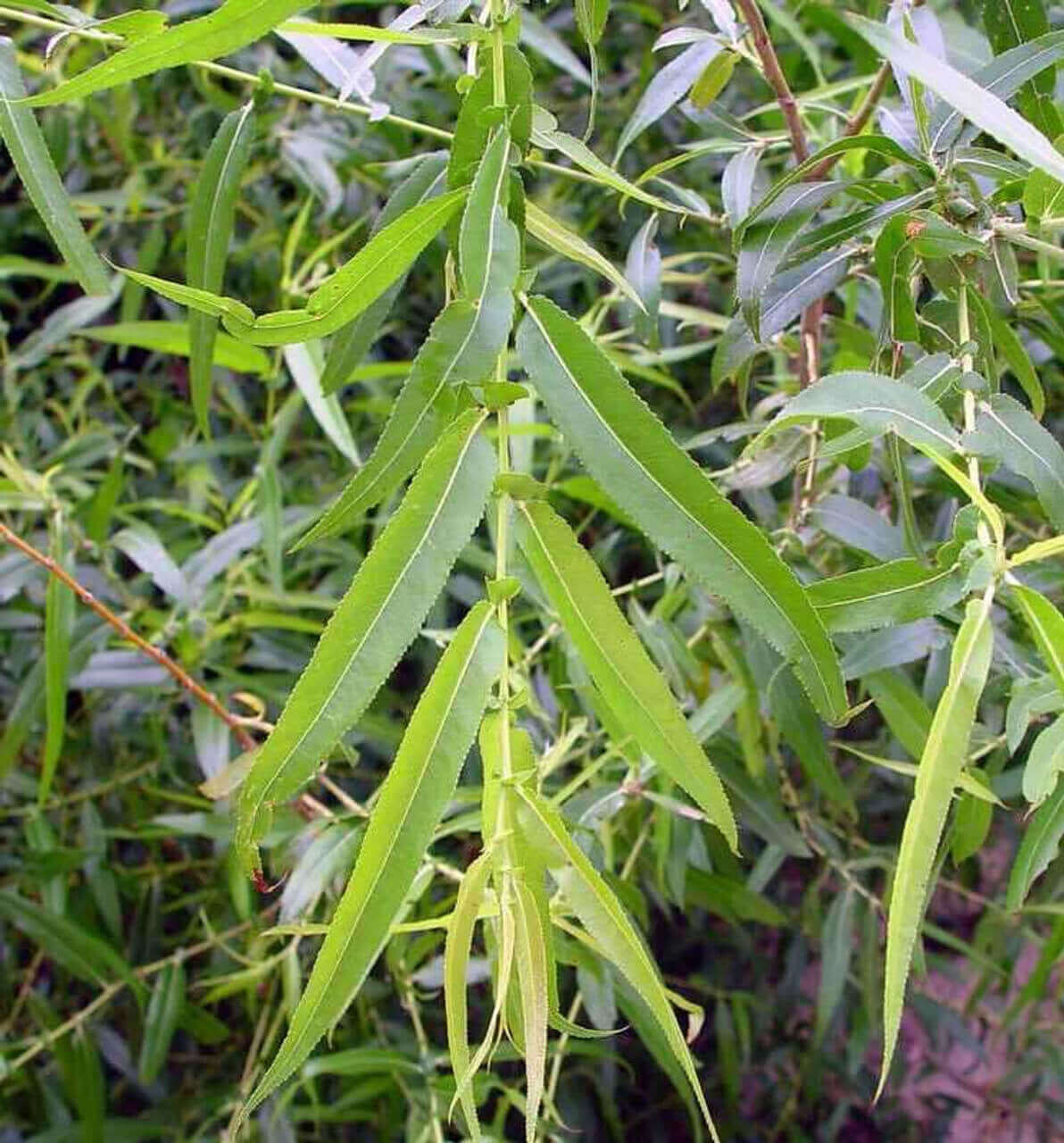
Black willow is a native North American tree adapted to wet, low-lying ground, and its root system is famous for holding soil in place along creeks, ditches, and shorelines that would otherwise erode with every heavy rain. Because the stakes are planted directly rather than transplanted as potted stock, the roots establish in their natural position from day one, which gives them an edge in erosion control projects where fast, deep anchoring matters more than a manicured look. In spring, the tree produces small yellow catkin blooms before its narrow leaves fully emerge; it provides an early-season nectar source for bees and other pollinators at a time when little else is flowering. If you're planning a larger streambank or wetland restoration project, it's worth reading our guide on native live stakes for erosion control before you order, since spacing and planting depth make a real difference in how quickly the stakes take hold.
Additional Details
Planting and Site Requirements
Care & Growing Tips (cont.)
Black willow is hardy across zones 3 through 8, which covers most of the continental U.S. outside the hottest and driest regions, and it tolerates cold winters without complaint. It wants consistently moist to wet soil and does best in full sun to partial shade, mimicking the streambank and floodplain conditions it evolved in. Plant stakes while still dormant, pushing them at least a foot or more into prepared, moist soil so the buds face upward and enough of the stake is buried to make solid contact with groundwater. Keep the soil damp through the first growing season while roots establish; once settled, black willow grows quickly and can reach substantial height within just a few years, making it one of the faster options for closing gaps in a riparian buffer or windbreak. Gardeners who want a broader mix of live stake species for a restoration or erosion project can browse our full live stakes collection to pair black willow with other natives suited to the same wet-site conditions.
Additional Details
Beyond Erosion Control
Care & Growing Tips (cont.)
Black willow isn't just a utilitarian planting — its yellow spring catkins draw early pollinators, and the tree's dense branching offers cover and nesting sites for songbirds once established. For anyone building out a wildlife-friendly landscape around a pond or low-lying corner of the yard, it pairs naturally with other native species chosen for the same purpose. If that's your goal, our post on ways to attract birds to your garden with native plants covers companion choices that thrive alongside willow in damp, sunny sites. Whether you're stabilizing a slope, filling in a wet corner of the property, or starting a hedgerow along a ditch, black willow stakes offer one of the simplest, most affordable ways to get established trees in the ground fast.