

American Beech Seedlings
This plant ships:
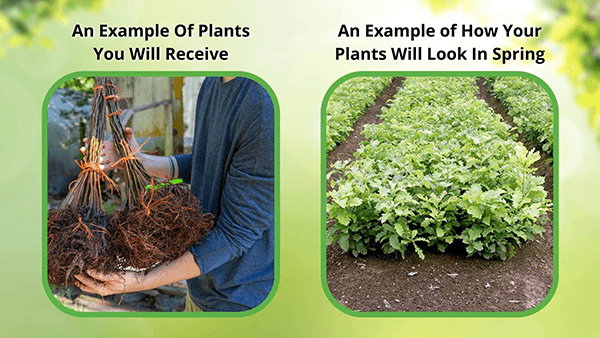
November 2025We sell bare root plants - click here to see what you'll receive
Overview
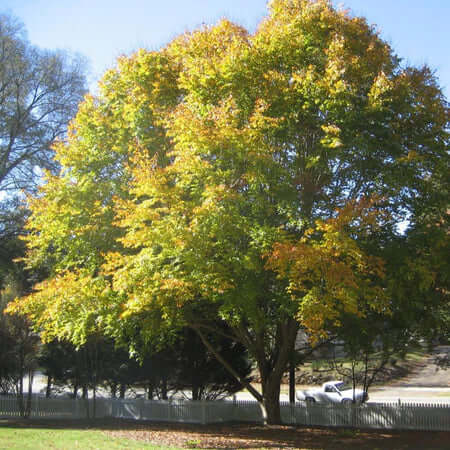
American Beech (Fagus grandifolia) is one of the great shade trees of the eastern hardwood forest, and starting one from a young seedling lets you watch that towering canopy build itself from the ground up. Smooth, silvery-gray bark and dense green foliage make this tree instantly recognizable, even to people who couldn't name another species in the woods. It's a fast grower once established, which means you won't be waiting decades to see real structure and shade develop in your landscape.
Bloom Season & Appearance
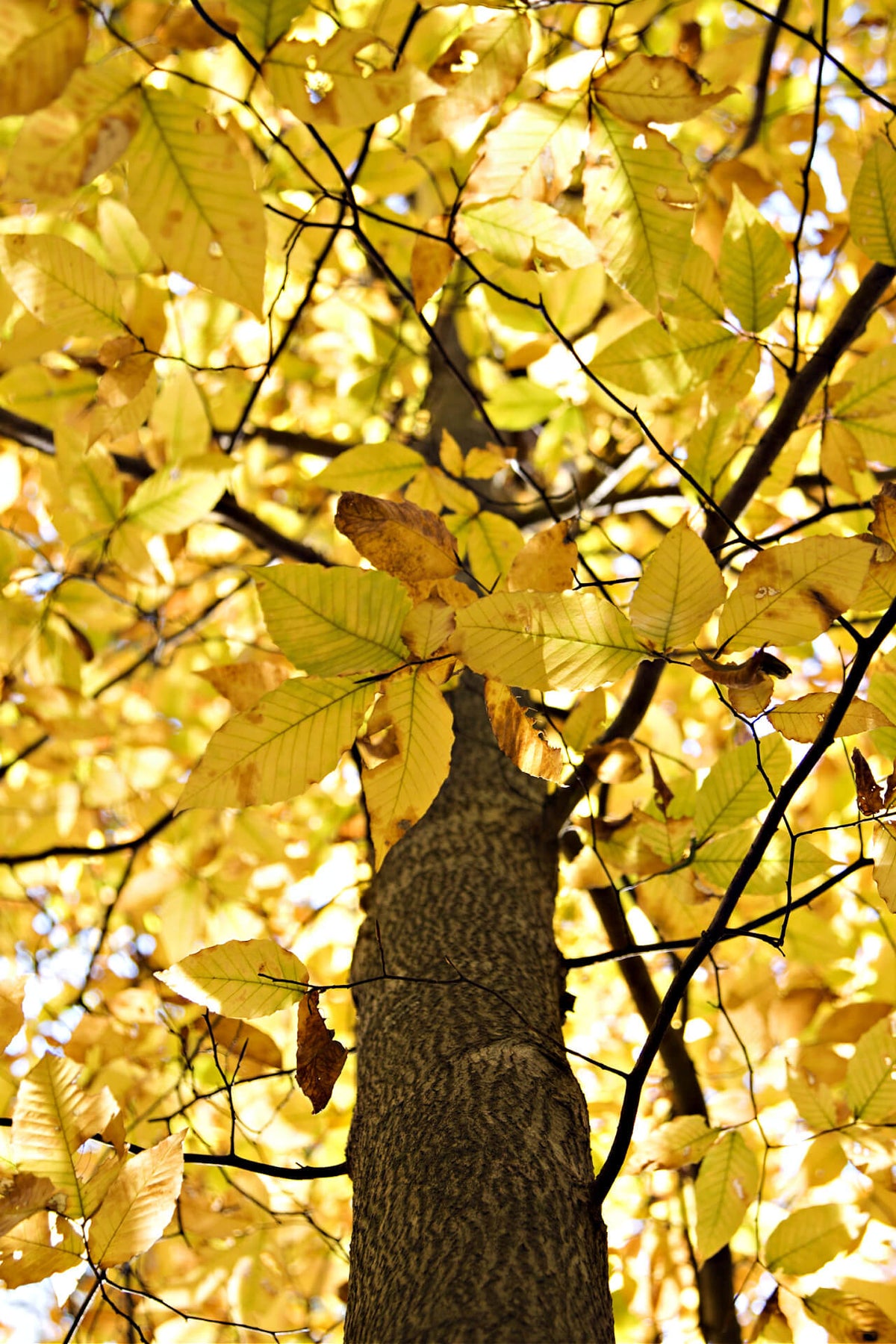
The leaves emerge a soft yellow-green in spring, deepen to a rich green through summer, and many young beeches hold onto their bronzed foliage well into winter, a trait called marcescence that gives the tree a bit of visual interest even in the dormant months. Small green blooms appear in spring, unremarkable on their own but a sign of the beechnuts to follow, which squirrels, deer, and a long list of birds rely on as a fall food source. If you're trying to build a landscape that actually supports local wildlife rather than just looking good in photos, this tree earns its keep.
More About This Plant
Where It Thrives
Care & Growing Tips
American Beech is hardy across zones 3 through 9, giving it one of the widest ranges of any native shade tree we carry, from the cold winters of the upper Midwest down through the warmer stretches of the South. It does best in rich, well-drained soil with some organic matter, and while it tolerates a range of light conditions, it's happiest with partial shade to full sun once it's a few years established. Give it room to grow. A mature beech can eventually reach heights that shade an entire yard, so plant it where it'll have decades of space overhead and to the sides.
Bloom Season & Appearance (cont.)
Beech seedlings are a good pick for anyone restoring a wooded edge, filling in a naturalized area, or starting a long-term shade planting from scratch. Because they're fast-growing relative to other long-lived hardwoods, you get the benefit of quicker establishment without sacrificing the tree's eventual size and presence. Pair them with other native hardwoods for a layered, forest-like feel, or plant them as specimen trees where their bark and winter leaf retention can really stand out against a bare landscape.
Additional Details
Why Start From a Seedling
Landscape Uses
Starting with a seedling instead of a larger transplanted tree gives the root system a chance to develop naturally in place, which tends to produce a stronger, more resilient tree over the long run. It's also simply more affordable if you're planting in numbers, whether that's a windbreak, a reforestation project, or just a backyard grove. We go into more of the practical and ecological case for starting trees this way in The Beauty of Seedlings , if you want the fuller picture before you plant.
Planting Zone & Climate
If American Beech isn't quite the right fit for your space, or you're looking to round out a planting with a mix of species, browse our full tree seedlings collection for other native hardwoods suited to similar zones and growing conditions.